Brew Dudes

Homebrewing Blog and Resource

The hobby of homebrewing beer

Winter Red Ale Recipe – Featuring Molasses

Mike brewed a winter ale – a winter red ale to be precise – and his special ingredient in this beer was molasses. If you’ve ever wanted to brew with this byproduct of refining sugar cane, this post is for you.

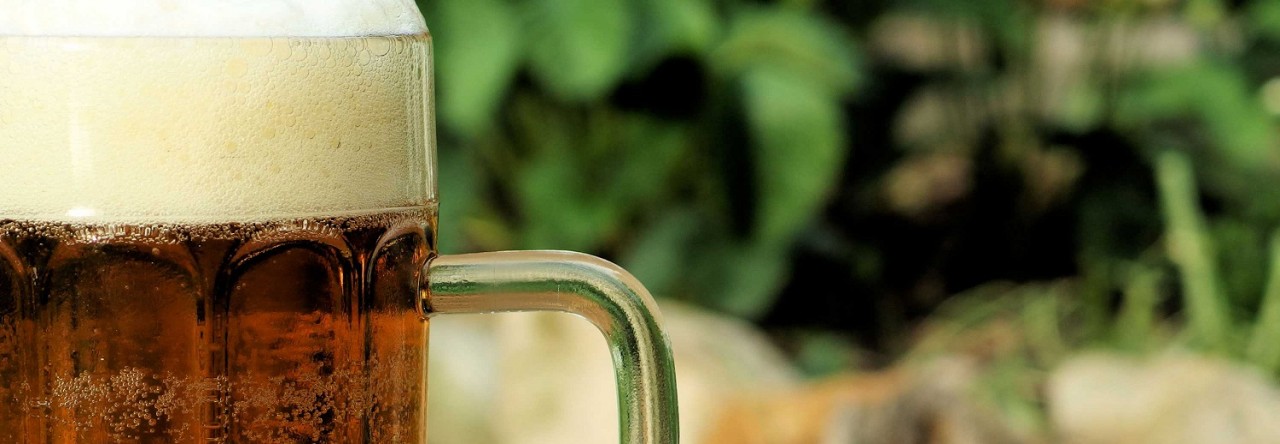
Looks good, don’t it?

Winter Red Ale Recipe

From Mike’s notes, here is the recipe for a 5 US gallon batch:

Ingredients:

12 pounds (5.44 kg) of US Pale Malt
1 pound (454 g) of Flaked Rye
10 ounces (284 g) Caramel Malt 80L
4 ounces (113 g) Carafa Special II
3 ounces (85 g) Molasses
2 ounces (56 g) of Challenger hops – added with 60 minutes to go in the boil

Instructions:

Mashed at 152° F (66.7° C) for one hour
Boiled for one hour
Fermented at 68°-70° F (20-21°C) for 2 weeks

Outcomes:

Original Gravity: 1.060
Final Gravity: 1.016
ABV: ~6%

What Did We Think of This Beer?

Mike wanted to brew a deep, red colored ale and he did that. This winter ale had the mahogany with ruby highlights that he was targeting.

The beer had hints of caramel and toast on the nose. In the flavor, the molasses brought a dark caramel note along with the strong malt presence from the specialty grains. The richness of the rye was complemented well with the added molasses.

Mike thought this beer could have attenuated more but overall, we were pleased with this winter red ale.

Let us know about your molasses brewing adventures in the comments.

BREW ON!

Cosmic Punch Yeast – Blue Comet Clone Recipe

Once upon a time, Brew Dude John had a late lunch at a restaurant in Braintree, Massachusetts, USA. They had an NEIPA on draft called Blue Comet from the Widowmaker Brewing Co., located in the same city. John had a great experience with that beer and he looked up more information about it. He found little – just the name of the hops used in the beer: Simcoe and Comet. Since our own beers brewed with these hops weren’t super, John took out an insurance policy of sorts and fermented this year with Omega Yeast’s Cosmic Punch Ale Yeast. Using his memory, he create a plan to clone this beer. Learn more about the recipe and how this beer turned out:

Can your NEIPA get juicer? Uh, yeah.

Blue Comet Clone Recipe Details

Here’s the recipe I came up with for the Blue Comet NEIPA Clone. I used only Comet and Simcoe hops along with the Mike Warren patented grain bill for this style.

Ingredients:

11 pounds (5 kg) of Briess Pilsner Malt
2.5 pounds (1.1 kg) of Flaked Wheat
0.5 pounds (225 g) of CaraPils Malt
0.5o ounces (14 g) of Comet hops – added at 60 minutes to go in the boil
3 ounces (85 g) of Simcoe hops – added as a whirlpool hop with the wort chilled to 185° F for 20 minutes
3 ounces (85 g) of Comet hops – added as a whirlpool hop with the wort chilled to 185° F for 20 minutes
1 ounce (28 g) of Comet hops – added as dry hops at day 3 of fermentation and removed after 3 days of contact
1 ounce (28 g) of Simcoe hops – added as dry hops at day 3 of fermentation and removed after 3 days of contact

Yeast: OYL402 Cosmic Punch

Instructions:

Create a one liter for the yeast a couple of days ahead of time. I use the 1 gram of dried malt extract to 10 ml of water ratio (100 g DME into 1 liter of water). I boiled it for 10 minutes and let it cool. Then, I poured it into a sanitized 1 gallon jug and added the packet of yeast to it.

Crushed all the grains and then mashed at 150° F (66° C) for an hour, boiled for 90 minutes. Fermented at 68° F (20° C) for 10 days. Kegged and forced carbonated.

Outcome:

Original Gravity: 1.068
Final Gravity: 1.014
ABV: 7.1%

How Did This Beer Taste?

John can’t say he made an exact clone of it but the flavors he got out of it reminded him of this underrated beer. Mike picked up on the large amount of mushy fruit flavor which included pineapple and other tropical fruit notes.

We were amazed that these hops produced these kinds of flavors. The yeast strain really came through and delivered for this beer. The lack of heavy dry hopping probably caused this beer to be clearer than the original. Maybe next time more dry hops can be used.

Main Takeaways For You:

  1. This yeast strain is great – strong fermenter after being roused in a starter. It made a little bit of a mess. Keep an eye on it
  2. Revisit Comet hops as a variety to be used late in your beer brewing process
  3. Try out Mike’s NEIPA grain bill and ask the question if oats matter..

BREW ON!

These Brew Dudes Made Kombucha

So, I made some hop teas because I was interested in the process and how the finished product would taste when making it at home. Well, I did that and we talked about it on camera. Then, Mike brought down his carboy of Kombucha and we decided to taste it. Here’s our video on Kombucha making at home.

How Did Mike Make It?

So, if you don’t know, Kombucha is a sweetened tea beverage that undergoes a mixed fermentation using a SCOBY.

A SCOBY (a symbiotic culture of bacteria and yeast) comes as a gelatinous ‘puck’ of mixed organisms, primarily composed of yeasts and acetic acid producing bacteria.

The symbiotic blend of organisms makes a beverage that tastes very similar to other probiotic-style fermented beverages like Kefir.

The SCOBY chomps on the sugar in the tea solution and makes a tart, slightly bubbly drink.

Mike made this batch following the instructions of the recipe. He feels that because it was the first batch of Kombucha, the SCOBY hasn’t fully recovered from being packaged.

Drinking it, you can get detect hints of fermentation and acetic acid in the kombucha. Overall, he’s not happy with how this batch came out.

What he plans to do next is to get this SCOBY moved into a new batch of tea and see if it begins to grow and get stronger.

Let us know if you have experimented with Kombucha before.

Brew ON!

Making Hop Water and Hop Teas at Home

So, picture it. It’s January and I am going through my usual scrolling of social media accounts. Within those feeds, I am seeing advertisements from multiple companies selling hop beverages that are not beer. I wondered if they could be made at home. After some research, I created a couple of beverages for Mike and I try and discuss on camera. Here’s our video about hop waters and teas.

How To Make A Hop Water At Home

Ok, the first beverage we tried was a simple carbonated water that was hopped with LUPOMAX Mosiac hops. Here’s the processed I followed to make it.

  1. Collected .75 gallons (2.8 L) of water into a pot. Heated the water on my stove top to a boil and held it there for 10 minutes.
  2. Cooled the water to 170°F / 77°C.
  3. Once the water was cooled, I added 1 gram on LUPOMAX Mosiac hops. If you’re using regular pellets, you can up the dose to 1.5 grams. It seems like a little bit but trust us. It will come out great.
  4. Add a squirt of lemon juice concentrate to the water to drop the pH and aid the flavor of the hops.
  5. Steep the hops in the water for 20 minutes. I let it cool to room temperature by putting it outside with a lid (It’s cold here in January) and out of the sunlight.
  6. After it was chilled, I added it to my UKeg through a funnel with a coffee filter in it. After it was filled, I capped it and carbonated it with the cartridge system of the UKeg.

We liked this beverage a lot. It tasted refreshing cold and the LUPOMAX Mosiac hops tasted great.

How To Make A Carbonated Hopped Tea

For this beverage, I took a recipe from a viewer on YouTube and altered it a bit. I’m going to write how I did it and how I would do it better next time.

  1. I heated 1 liter of water to 160° F / 71° C and added it to a French Press.
  2. I added 20 grams of Citra hops to steep in that water for 10 minutes.
  3. At the five minute mark, I added 1 tea bag of Scottish Breakfast Tea, opening its contents and sprinkling the leaves in.
  4. After the steep of both hops and tea was over, I added 60 grams of table sugar to the press and mixed it around until it was dissolved.
  5. I added this mixture to two swing cap bottles and filled them up halfway. Using plain seltzer water, I filled the bottles to the top and closed them up.

Mike didn’t like this one. I think he wanted more tea than hops – and this drink had a lot of hops flavor even though it was diluted with seltzer water.

Next time: I will make a batch the size of the hop water and bring down the amount of hops to a gram or two. Then, get some high quality tea and add the equivalent of two bags to the water. I think that’s where the sweet spot is.

You Can Do It!

Making alternative hopped beverages at home is easy. You can do it if you try. This post should act as a starting point for you to make your own hop water or tea at home.

BREW ON!

Brew Dudes Homebrew Swap – Exchange #45

When you start a blog, you don’t think that 14.5 years later it will cause people who you don’t know personally to drop beer off at your doorstep – but here we are. Bill from Massachusetts gave us three beers that he brewed under the Dirty Bucket Brewing moniker. We tasted one on camera and we posted it on YouTube. This is our Brew Dudes Homebrew Swap – Exchange number 45.

Billy B’s Harrison Lager Notes

Before we begin – you can find the recipe for this beer on Brewer’s Friend. On this page, you will see that the grain bill is simple and the hop selections are all noble. Specifically, he uses Hallertau and Tettnang throughout his brewing process.

The yeast he used was Fermentis Saflager German Lager Yeast W-34/70, which these Brew Dudes have used before. We have had success using this strain, especially in lager fermented at warmer than traditional temperatures.

Opening the bottles into glasses, this beer poured clear and had a nice off-white head. The color of the beer was in line with what we were expecting with a Sam Adams Boston Lager clone.

On the nose, you could detect some spicy noble hop aroma with some soft malt notes. The taste delivered the familiar balance of caramel maltiness with the floral, spicy notes of Hallertau. The beer finished clean with a nice aftertaste.

In terms of making a similar beer, we feel Bill hit the mark. The only note we had was to increase the bitterness in the taste. Sam Adams has a present noble hop bitterness that his clone didn’t match exactly. Living in the same area as him, we know all too well that water in our region doesn’t necessarily help us to produce world class bitter beers.

The main tip would be to increase the amount of hops added to the beginning of the boil or upping the gypsum addition. We have found that we need to do that to make our beer’s bitterness pop.

Thanks again for the beer, making our exchange 45 a good one.

Brew On.

Page 44 of 317