Brew Dudes

Homebrewing Blog and Resource

The hobby of homebrewing beer

Simcoe Hops

Lately, it’s all about collecting data on the new hops. Shortage or no shortage, here’s another variety that was worth the half hour I took to research it. Let’s learn about Simcoe Hops, AKA Cascade on steroids*.

Origin: America (Pacific Northwest) – It was released by the Yakima Chief Ranches in the year 2000.

Aroma: Not that I know what a passionfruit smells like, but apparently Simcoe hops have a passionfruit aroma and flavor. Some sources claimed their aroma is fruity reminiscent of apricots while others stated they have a pronounced pine or woodsy aroma. Seems like there is a complexity here. Maybe the aroma swings from fruity to piney from year to year or maybe where the hops are added to the boil changes the aroma.

Alpha Acid: 12-14%

Typical Usage: Because of the high alpha acid, Simcoe works well for bittering. It can be used as an aroma hop too.

Beer Styles: IPA, Double IPA, American-style ale.

*They are mentioned in Canseco’s new book.

While you are here, check out other popular Brew Dudes hop profiles:
Willamette Hops
Galena Hops
Northern Brewer Hops


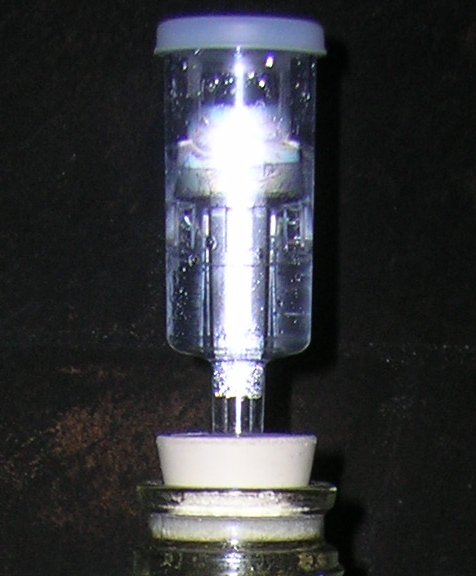
Do You Sniff Your Fermentation Lock?

I know, it’s sort of a personal question.

I have been sniffing my fermentation airlock for the past few days to get a sense of what is happening in that bucket o’ mine. I am getting a nice whiff of grapefruit each time I push down on the bucket lid. I am hoping it’s just the Glacier hops giving off their pleasant aroma…but I swear I smelt the same odor when I pitched my starter. I know the WLP051 is supposed to be more fruity than WLP001, but I didn’t think it would be this fruity.

Like I said, it smells nice…it doesn’t smell like vinegar or cider. It smells right…not wrong. I think my wife is weirded out a little when she sees me in our second bathroom, bent over and sniffing the airlock.

OK, I think I crossed the TMI threshold for today. Type to you tomorrow.

STOP SMELLING THE AIRLOCK!

BJCP Style Guideline Update

The BJCP (Beer Judge Certification Program) has completed an update to the 2004 style guidelines.
The style guidelines are meant to put some quantitative and qualitative information on each beer style. While some brewers do not like the strict use of style monikers per se; I find that having style guidelines are a beneficial way to communicate beer characteristics.

I think that even the non-brewer would find the style guidelines quite interesting.

After reviewing the new guidelines there aren’t a lot of glaringly obvious changes. However the good folks at the BJCP put together a one paged document that lists the changes quite nicely.

I suggest you go out a download or bookmark a copy for yourself as a reference tool.

You can get to the guidelines through this link (and find the changes document):
BJCP Style Center Web Page

My favorite page is the web “quick index” which you can get to here:
BJCP Web Look Up Page

Now read up on your favorite category and BREW SOMETHING!

Brew Day – American Pale Ale

I brewed up the American Pale Ale that I have been logging a journal about for the past week yesterday. On Friday night, I made some changes to the recipe, ironed out all my calculations, and got all my equipment out.

Some things went well, some things didn’t go well.

Before I started brewing, I dropped my hydrometer and it broke. I was really hoping this event wasn’t a bad omen.

I crushed my specialty grains and added them to my grain bag along with my base malt. I hit my mash temp of 152F and closed the cover. An hour later, my temp was 138…not really great.

I think with a 5 gallon cooler, I am going to have go all grain sooner than later.

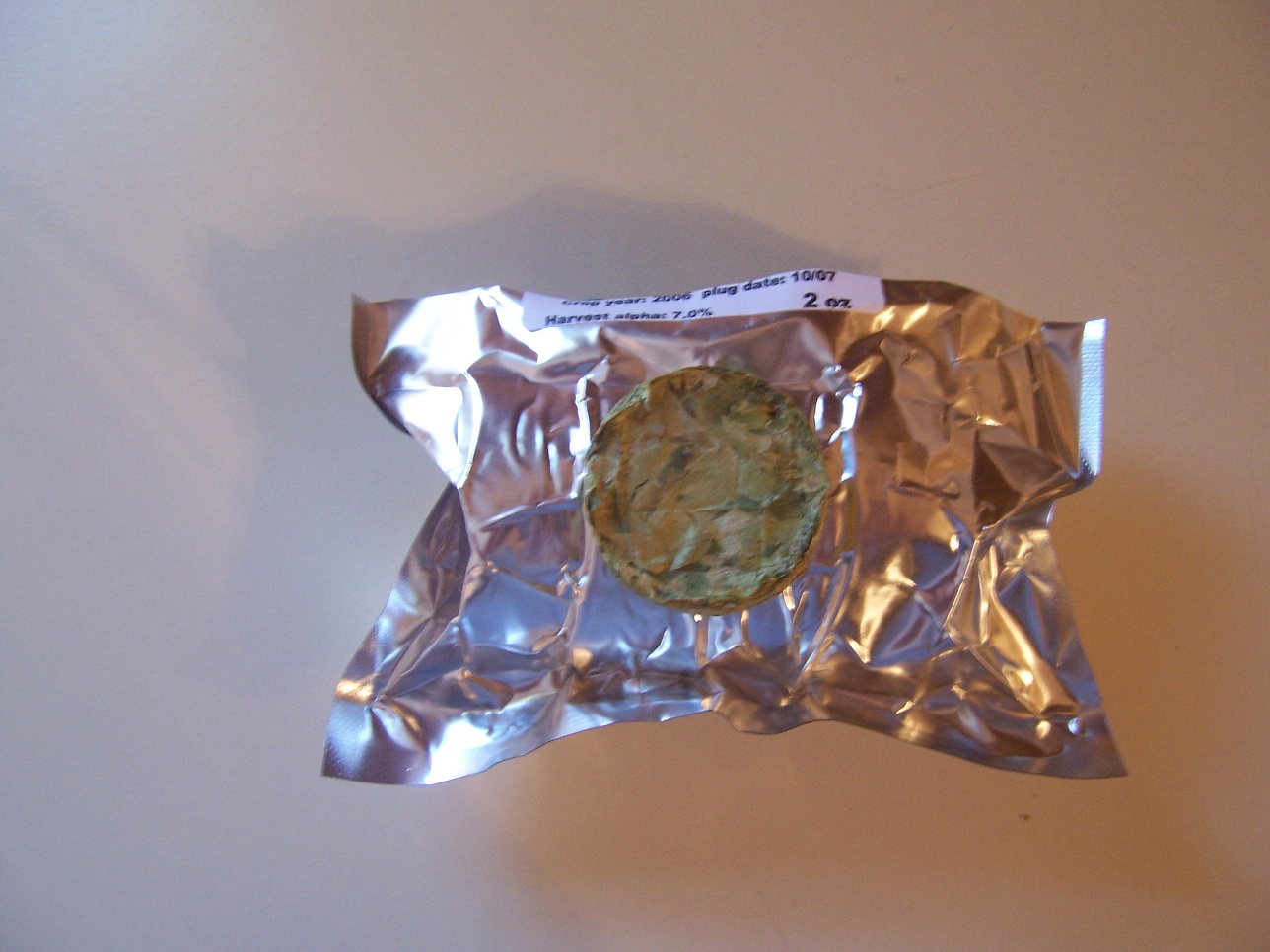
The boil went well, the hop plugs hydrated quickly and looked beautiful.

I cooled my wort using the chiller, and I got an amazing cold break. I will chalk that up to 40F water coming out of the hose, a nice benefit to early spring brewing.

When I drained my wort into my fermenter, things went well until a rehydrated hop flower got stuck in my kettle’s outake valve. Without a strainer cleaned and sanitized, I had to improvise and poured as much of the wort as possible into the fermenter by tipping it over the top of it. I didn’t know if I should pour the hops into the fermenter, so I left a lot of them in the kettle along with a lot of the post-boil material.

I took a sample while the kettle was pouring so I could measure it at a later date. I poured in the yeast starter after I got the wort close to the optimal temperature range.

After the brew day, I went away to stay at my in-laws for Easter. When I came back today, the fermenter was alive with activity. I think I am going to relax and have a home brew.

Here are some photos:

Pic #1: Grain in the mash tun
Pic #2: A Glacier hop plug
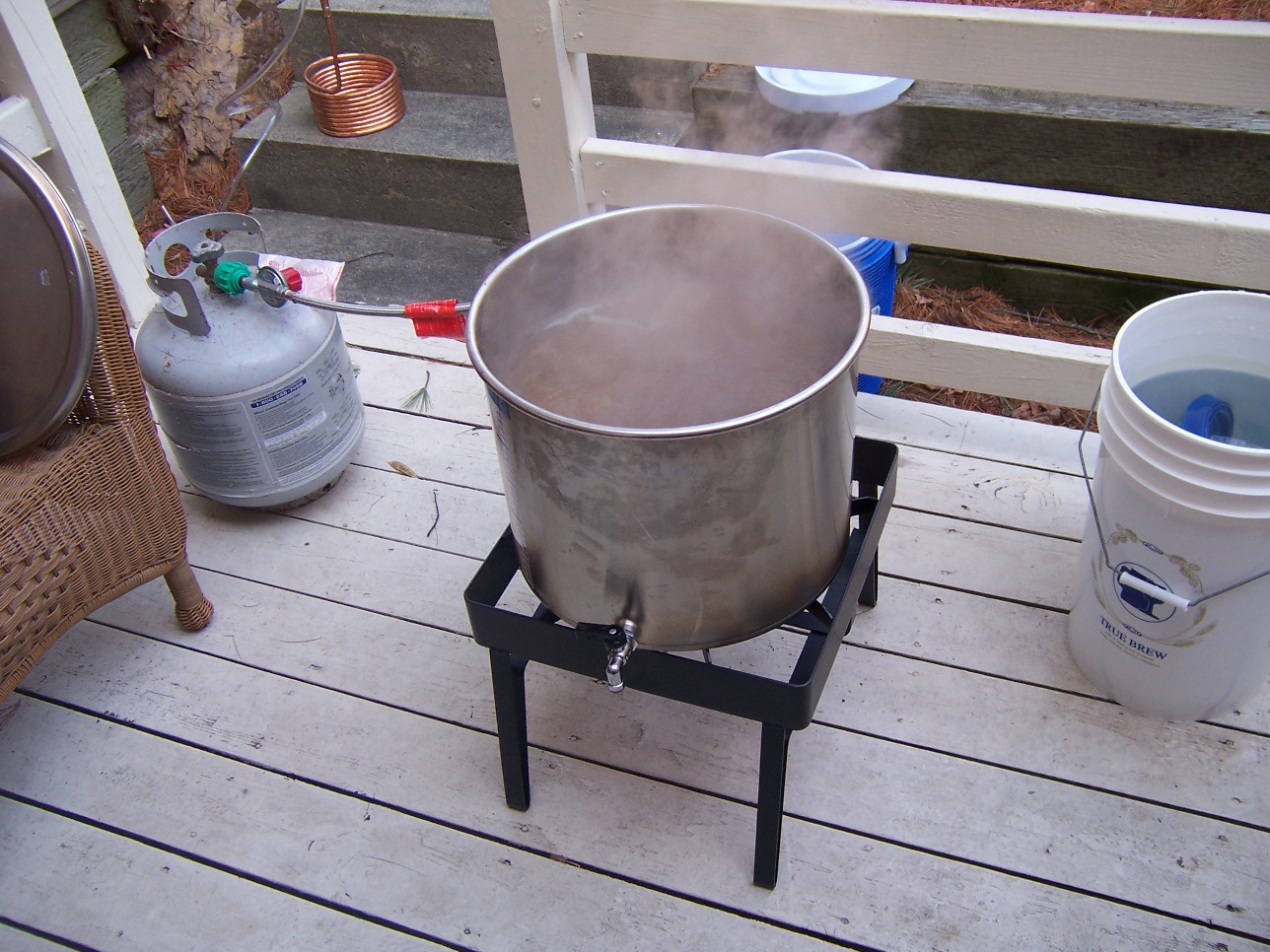
Pic #3: Kettle boiling
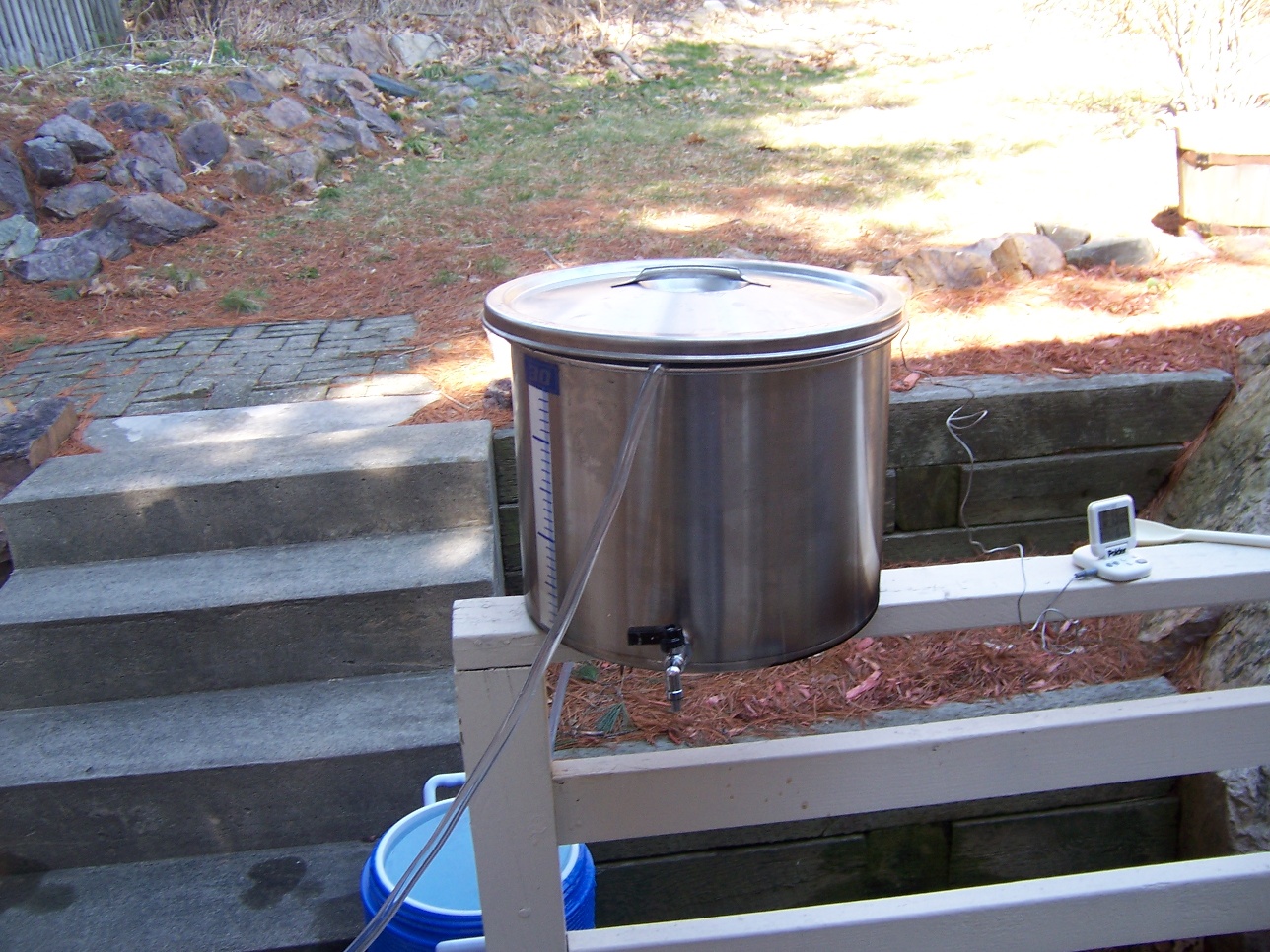
Pic #4: Kettle boiling from the top
Pic #5: Wort Chilling
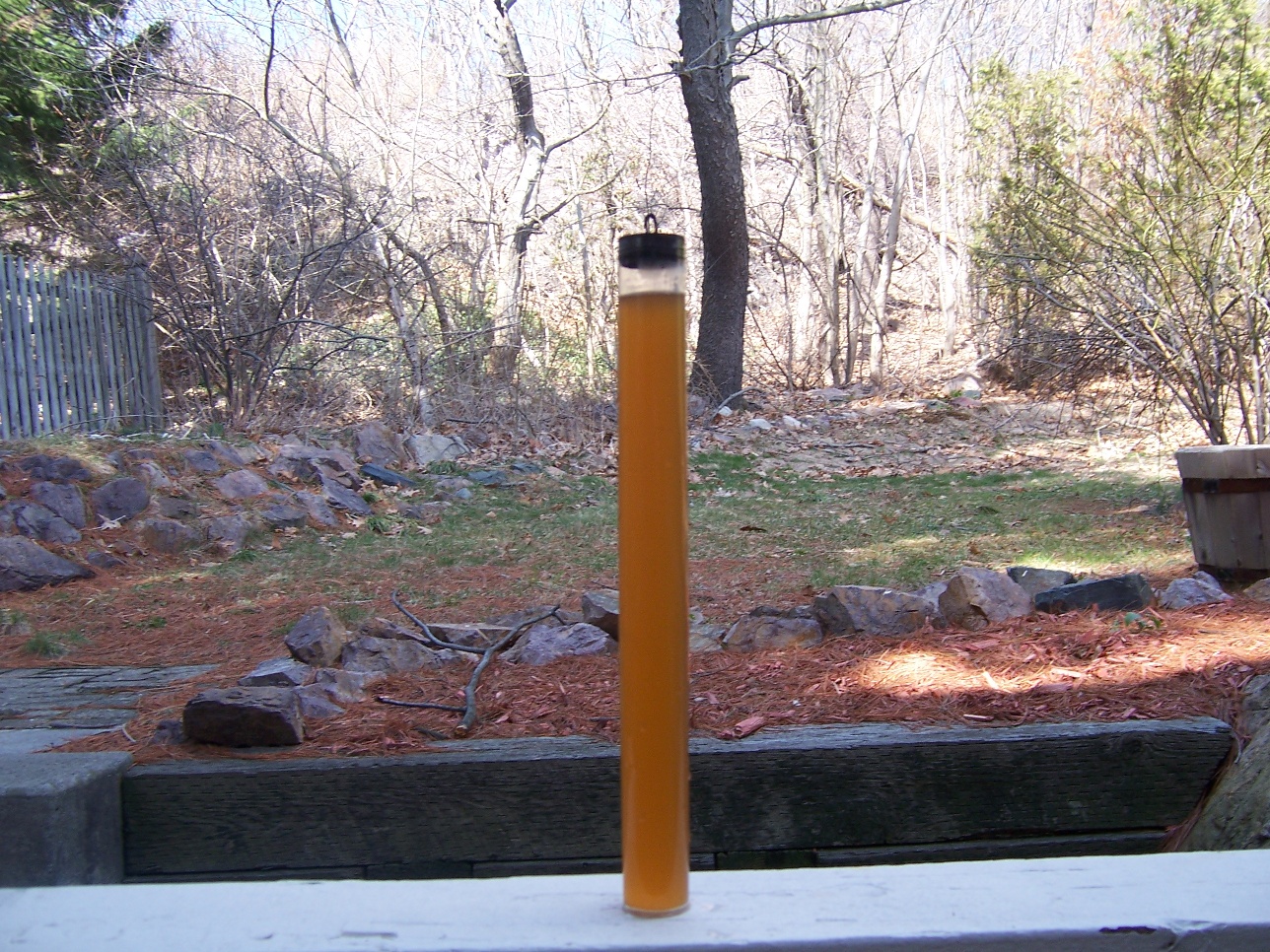
Pic #6: Wort sample for a OG reading later. Nice color.

Malt In The Mash Open Glacier Hops Plugs Boiling Pale Ale Wort
Boiling Pale Ale Wort from the top Wort Chilling Pale Ale Sample

Wanna see posts related to this brew day? Follow these links:

American Pale Ale Recipe

American Pale Ale Preparations

Checking On The Hops

Checking On The Grains

Kölsch Recipe

Here is one of my upcoming brews that I have planned.
A nice crisp Kölsch in time for the change of seasons into spring.

Kölsch

Batch Size: 5.5 gal
Efficiency: 70.0%

Original Gravity: 1.048
Terminal Gravity: 1.010
Color: 3.8 SRM
Alcohol: 4.98%
Bitterness: 26.23

Ingredients:
9.5 lbs German 2-row Pils
0.5 lbs Munich 10L Malt
0.5 lbs 2-Row Carapils Malt
1.5 oz Tettnanger (4.5%) – added during boil, boiled 60 min
0.25 oz Tettnanger (4.5%) – added during boil, boiled 5 min
2.0 tsp Irish Moss – added during boil, boiled 0.0 min
1.0 vial White Labs WLP029 German Ale/Kölsch

Mash temp- 150F

Results generated by BeerTools Pro 1.0.29

Page 300 of 322

Powered by WordPress & Theme by Anders Norén