
Brew Dudes

Homebrewing Blog and Resource

The hobby of homebrewing beer

2013 Hard Cider Tastings

Last Friday night, we had a few people over the house and the time was right to break out the hard ciders. I had three to offer and here are some notes on all of them.
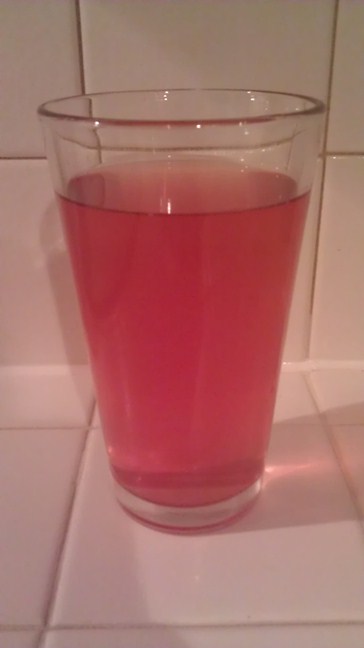
Cran-Apple Cider

Cranberry Apple Hard Cider

I made this one without much planning. I used Mott’s freshed pressed apple juice, some pure cranberry juice, and no other additives. It is the freshest of the three and it has a nice tartness. Knowing that Mike has an affinity for sour beers, I thought he’d like this one and he did. Although you have to think pink with this drink, I think it’s quite refreshing – not sweet at all.
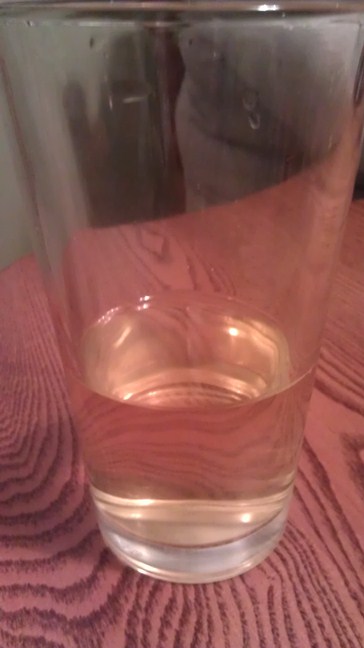
Common Hard Cider

English Hard Cider

Although my hard cider recipe calls for an additional two pounds of white sugar, I made this one with no sugar and White  Labs English cider yeast.  After a couple of rackings to help clarify, it appears that there wasn’t enough yeast to carbonate it fully.  There are some bubbles you can sense at the beginning of the taste so maybe this cider could qualify as petillant. The body is medium, the apple aroma is strong and the finish is just crisp enough.

This hard cider was made with press juice from an orchard that makes it own commercial cider and celebrates heirloom apple varieties.   This one is tasty but maybe not lively enough to get high marks in a competition.  I am going to submit it in the fall to see what others think.
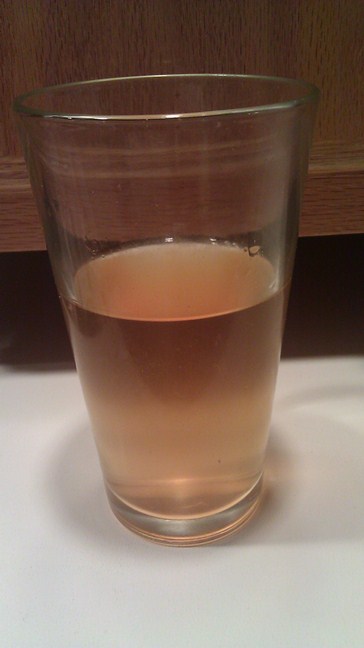
New England Hard Cider

New England Hard Cider

This one is the king daddy of them all. So much stuff went into this one – sugar, brown sugar, honey, raisins, maybe some light malt extract. Underneath it all, there is the vanilla smoothness from the oak spirals. It’s strong but goes down easy. Lots of pleasant complex flavors in every sip. I was happy this cider cleared really well and I have hidden a few bottles to have in a year or so to see if the flavors meld even further. It’s another one I will submit to competition to see what judges have to say.

Irish Red Ale Brew Log 2013

Just purchased ingredients for this Irish Red Ale Recipe. Hopefully a soon to be scheduled brew session will have this ready for St. Patricks Day.

For this beer I plan to try the no chill method again. I am also curious to see how much trub there is in the kettle if I use a hop sack. I purchased a pretty large hop sack not to long ago, I think its 12 inches by 18 inches or so. I’ll toss my hops in there and then pull them out at the end of the boil.

I wanted to experiment here with US 2-row and Nottingham yeast as well, as you can see on the Irish Red Ale Recipe page. But for a more traditional flavor profile you could sub in some English Pale Ale malt and Irish Ale yeast.
However, I find Irish Ale yeast to be sort of finicky so personally I’d probably not go that route anyway and stick with a neutral yeast. (Even for a Dry Irish Stout) Interestingly, the BJCP style guidelines actual mention that in some cases this beer is brewed with lager yeast. Further supporting the idea that a neutral ale strain, like a California Ale yeast, isn’t all that strange of an idea.

I’ll add a couple pictures from the session after I brew it up.

Best Lagering Temperature

Continuing with the Wednesday video series, here is a quick one as an update to the Midwest Supplies Brew Kit Review and as a starting point to discuss what the best lagering temperature is.

From the Masters of Lager series, I got into a rhythm of lagering my beers as cold as I could get them in my beer fridge.

If I turned the (simple) temperature control dial in the fridge to its lowest setting, I was getting a consistent 34°F or 1°C temperature. The temp. would flux a bit when I was opening the door to get a few bottles but these are sacrifices you make when you are thirsty and your fridge serves dual purposes.

I have read that you can lager at slightly warmer temperatures; that is, 40° F or 4° C but I feel that cold and slow is the way to go with lagering beers at home.

Transitioning to my next thought, temperature is just one factor in the lagering game. Time is the other main one and we have raised the question before of how long to lager.

From my observations, getting the beer down to close to the temperature where water freezes is the best to get clean, crisp, and clear lagers. Holding that temperature for 6 to 8 weeks is the other key.

Mashing to Make Wort

Michael Tonsmeire, of The Mad Fermentationist, recently put up a great post listing 10 brewing myths that sort of get under his skin. So if he can gripe a little bit then so can I.  Brewing beer starts with making wort. Mashing to make wort is how ALL wort is made, whether you mash the base malt yourself or someone else has done it for you (extract).  There are four main modes of brewing that get mis-labeled all the time.  This is my treatise on making wort and what each method should be called.  In order of how I think most brewers progress in this hobby:

Extract Brewing:
Open a couple cans, or a couple bags of pre-made extract either liquid or dry and put it in a pot with some water.  Sometimes the extract has hops in it, sometimes you add some hops yourself.  This is the gateway method for making some wort.  It doesn’t get any easier than this.  You are at the mercy of the malt producer for how much body, fermentability and what ingredients are in the beer.  But not to be looked down upon as a good fermentation process will still get you  great beer for a little fuss.

Extract with Grains Brewing:
See above, but put some crushed malt in a muslin or nylon bag and steep away prior to adding the extract.  Steeping roasted or caramelized grains in this matter allows you to explore the color palette of brewing adding just a little or a whole lot of different grains of different colors.  Here you can really start to explore what different grains taste like.  In order for this method to work best you leave behind extract called “dark” or “amber” or “golden” and start with the lightest extract you can get.  Make this grain tea first in the brewing water also adds a dimension of freshness you might not get from extract alone.  The key here is that you are using only grains that NEED NO enzymatic conversion of starch to sugar.  Hence you are not mashing, only steeping.  I see a lot of new brewers say they are mashing but without any enzymes present its just like making tea, color and flavor only.

Partial Mash:
See above but add in a couple pounds of two row base malt.  Or Pilsner malt or Munich or Maris Otter.  Here you ARE mashing as the base malt brings some enzyme to the pool party with your other grains.  Here your water temp is critical, where a steep sort of can happen at any temp below 180F.  Here you target a range of 145-160F.  Depending on where you set the “dial” you can have an impact on the final beer’s body, mouthfeel and fermentability, using up to 25-30% of a mini-mash to get the total fermentable bill in the recipe.   This step is the gateway to full on all-grain brewing.  Personally I only did a couple batches this way.  Most brewers realize that the water, temperature and grain thing isn’t all that hard; and they finally say good bye to their relationship with extract.

All-grain:
No can openers, no dusty bags of extract here.  10-15 lbs of base malt, a mill and some colored malt and your doing it just like a pro only on a small scale.  Some mash in a cooler, or a keg or even in a nylon bag in there brew pot.  But in this technique you have total control of the whole recipe from base malts to total fermentability.  This is truly mashing.

I think you can make great beer with any of these methods and I don’t shun any of them.  As an all-grain brewer, I am often envious of the quick extract batch.  I still occasionally pop out an extract batch just for ease and fun.  My intent isn’t to offend anyone, but we need to all speak a common language with how we make our wort.  Regardless of you you do it…BREW ON!

Missed Opportunities

The wonderful life of a family man and homeowner struggling to also be a homebrewer.

Yesterday I toiled over cleaning up half the garage so I could get my wife’s SUV in there. My truck was left out in the drive because the other half of the garage is full of yard stuff, my lawn tractor, my smoker, two chest freezers (of course), a wall of stainless steel, and many loose bottles and widgets for the brewing stuff.

But when I finished, I looked out at the lightly falling snow and thought how great it would have been to be brewing then. A nice Porter or a rich Belgian Dubbel would be a great way to watch the snow fall. Or a long slow boil of first runnings to make a batch of Scottish 80/- that would be a great reason to dive into those EKG hops I have in the freezer from Nikobrew.

Oh well… a missed opportunity or just the fate of the family faithful?

Tell me someone else is brewing somewhere with a milder climate right now…

Brew on?

Page 174 of 322

Powered by WordPress & Theme by Anders Norén