IPA recipes, especially New England IPA recipes call for a lot of dry hopping. The thing about dry hopping is that it introduces air to the beer which can cause color and flavor degradation. Mike wanted to see if he brew an American IPA without any dry hops but with a larger than normal whirlpool addition to see if he could get a big hop aroma and flavor that are important to the style. Watch this video to see if what he was able to accomplish with this change to his brewing technique.
No Dry Hop IPA Recipe
Mike put this recipe together to brew an American IPA (not an NEIPA) that did not a dry hopping step. Here are the ingredients and the hop schedule:
Nugget hops added with 60 minutes left in the boil
1 ounce each of Amarillo, Azacca, and Centennial hops added with 5 minutes left in boil
1 ounce each of Amarillo, Azacca, and Centennial hops added at flameout with an immediate start of chill and active whirlpooling
Results
As IPAs go, this beer was a good example. I don’t think there was a lot of hop aroma in the beer. The flavor was good and this combination of varieties brings citrus and tropical fruit notes without any raw hop bite. Mike thinks he can get more aroma if he lets more of the green materials into the fermentor and/or increase the amounts he’ll use at flame out.
When I brew for myself, I brew 5 gallon batches. When I brew for “The Dash”, which is code all the Brew Dudes out there in Internet Land, I brew 1 gallon batches because those beers are for learning purposes, mostly. I mean, I still have beer in the end, which is always a good thing.
For a while, I wanted to know if my 1 gallon brewing process was as good as my 5 gallon brewing process. To get a definitive answer, I planned to brew a recipe for both volumes and then compare the outcomes to each other. Here’s a video where we try to figure out if batch size impacts flavor:
The Experiment Plan
My 1 gallon batches tend to be SMaSH (Single Malt and Single Hops) beers which I didn’t think would be great to apply to this experiment. To scale a SMaSH beer recipe from one gallon to five wouldn’t be challenging enough for this experiment. I wanted to brew something with a little complexity but not so complex that it broke the bank, a recipe that may have a few aspects get lost in translation from one size to another. So, I came up with an American Pale Ale recipe that I could formulate for a batch of 5 gallons and 1 gallon.
The Recipe
These Brew Dudes have toyed with sharing all of our recipes through just grain bill percentages and alpha acid targets but most times it’s just easier to share the exact measurements for the recipe we brewed. For this experiment, I needed to figure out these targets so I could scale it for both batches. Here are the targets:
American Pale Malt – 95% of grain bill (95.2381% to be exact)
American Caramel Malt 40°L – 5% of grain bill (4.7619% to be exact)
IBUs – 42 (using Cascade hops only with 60, 15, and flameout additions)
The other items I kept in mind were water, which was my tap water adjusted with gypsum so that I had a 1 to 1 ratio of Chloride to Sulfate and decided my ABV for both beers should be around 5% so I calculated my grain bill for that alcohol strength.
I used the free version of BeerTools to figure out all the quantities of malts and hops to hit my targets. After a few adjustments, I had 2 separate recipes for each batch.
The Results
I took measurements for each stage of the brewing process, including pre-boil gravities. With all the calculations, I learned that my mash efficiency was much better than the 72% default setting. For both beers, it was more like 83% based on the refractometer readings.
At the end of each brew session, I pitch the same yeast: a packet of US-05 yeast went into the 5 gallon batch and a third of a packet went into the 1 gallon batch. Both beers fermented well, they were sitting right beside each other in my basement. The 1 gallon batch appeared to take longer than the 5 gallon batch.
After fermentation was over, both beers were carbonated in kegs for tasting. When I tasted both beers for the first time, I didn’t notice much of a difference. The 5 gallon batch had a slightly different aftertaste, which seemed to me to be hop derived.
When I brought them over to Mike for a triangle taste test. He couldn’t tell the difference between the two of them, which was the ideal outcome. I was hoping that my brew process was good enough to produce similar beers for for either batch size. For this experiment, it seemed to be the case.
In the spirit of holidays past and brewing special beers for the season, Mike presents his 2020 entry. When explaining his thought process behind this ale, he notes that holiday beers are either big (high in alcohol) or weird. Mike’s beer sits comfortably in the latter category. Learn more about this sweet potato holiday beer!
Brewing With Sweet Potatoes
Mike took us through his process of baking the potatoes in his oven and mashing them up to add to his brew. He likes to working with these vegetables since they add the same qualities to the beer like pumpkin does, but they aren’t pumpkins. They are just enough different to make the beer weird for the holidays.
Tasting Notes
The last time I tasted Mike’s sweet potato beer, the body was a little thin. This time around, it had much more body and we think it had to do with the yeast choice. The English yeast strain that Mike used didn’t ferment the beer as completely as the American strain he used in the past. The beer was enjoyable with just a hint of some special ingredient in there.
To make the beer more holiday festive, Mike made a spice tincture to add to our pints. With just a few drops of the tincture (cinnamon, all spice, nutmeg, and cloves soaked in some vodka), the Sweet Potato beer became a spiced ale. By adding our own spice, we could customize our flavor experience to our own level.
A holiday ale with a bit of tuber – a weird beer to end a weird year.
We got a new tap to install on the old fridge door. This is a forward sealing faucet, which is, as you probably can guess, is different from a rear sealing faucet. Mike takes us through a demonstration of this tap versus his regular tap and then disassembles each tap to showcase the differences. Watch this video for all the details!
How Well Does It Work?
The first thing Mike wanted to show off was how effortlessly it was for him to pour beer from his NUKATAP. Because of the forward sealing design, there wasn’t any stickiness that other taps have, especially when they haven’t been used in a while. He showed how a pull from the tap was easy and a pull from his regular tap was as easy. He needed more effort to get the beer to flow.
What Do The Insides Look Like?
By taking the faucets apart, Mike was able to show in great detail the difference between the two tap design. Looking at the rear sealing tap first, he show why beer can gum up the mechanism of the tap because of where the seal sits. The rear sealing tap has more contact with the beer as it opens and closes. The NUKATAP does not have this contact so the mechanism doesn’t get stuck as the real sealing tap does.
Final Thoughts
Mike has been using the NUKATAP for a few weeks now. He’s thoroughly impressed with it. He finds the flow is better and the tap has less residue when he clean it out. Big thanks to the team at Kegland for sending it along to us.
These Brew Dudes are always looking for great resources for our audience and ourselves. When OliveNation reached out to us, we asked for a few different flavorings for a brew in the near future and something for next summer (if we make it to next summer). Check out this video about this home state provider of flavorings, extracts, and special ingredients for your brewing adventures.
What Flavorings Do You Need?
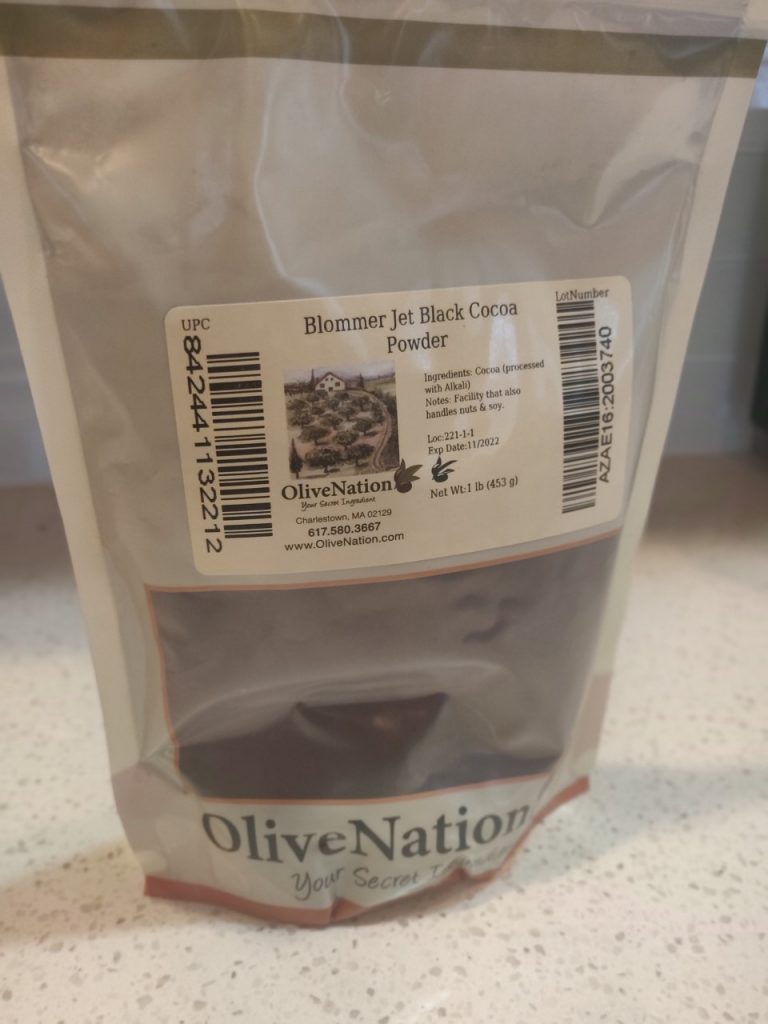
So, I had an idea for a big stout. Looking at their site, I picked up a few things that I thought would work well with the style. They didn’t have cacao nibs in stock, so I got the next best thing and got a couple of bags of black cocoa powder.
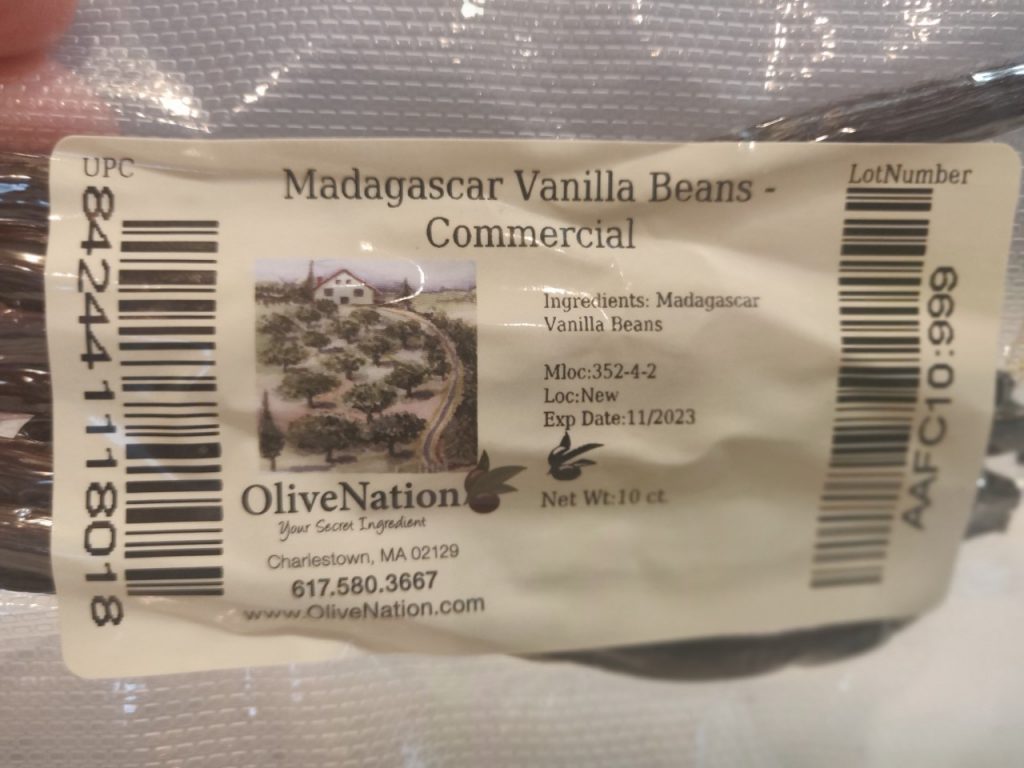
Along with the cocoa powder, I thought vanilla beans would be a good addition. They had some commercial grade vanilla beans – so I got those. Only the best for my beer, right. They came in a nice vacuumed sealed packet.
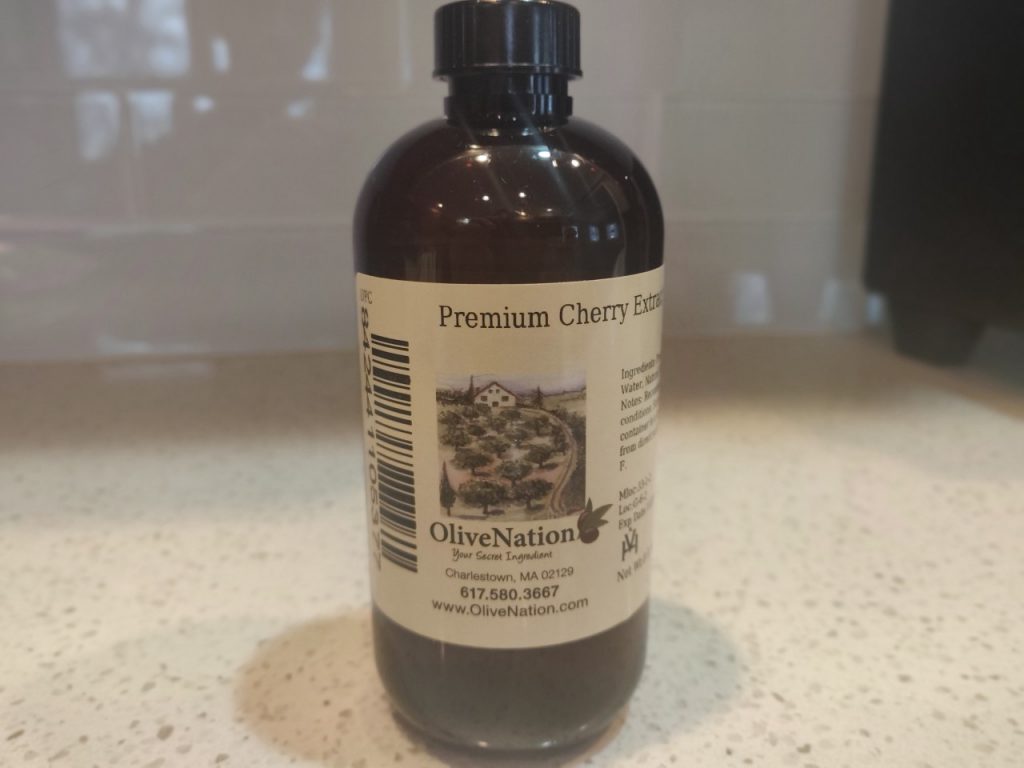
Lastly, I saw they had a clear cherry extract so I got a bottle. That ingredient will be used in a future brew so you’ll have to stay tuned for that.
Check out what OliveNation has to offer here: https://bit.ly/2J9vhku and use the coupon code: BD20
Hope you enjoy their offerings – as always, Brew ON!