Brew Dudes

Homebrewing Blog and Resource

The hobby of homebrewing beer

Fifty Pound Sack

I preparation for a couple upcoming brews I realized I was going to use upwards of 50 pounds of Pilsner malt (among other things). Buying that much malt at one time in bulk tends to save you a little money. I decided to try out getting my malt from Fifty Pound Sack. I first heard about these guys on The Brewing Network, and I have seen ads for them in BYO magazine.

The really cool thing about these guys that I couldn’t get from some other online retailers was that they offer free shipping on full sacks of malt. Now please don’t take this post as a full on endorsement or think we are getting something from these guys. We have no connection with them. I just wanted to post and point out something I felt was super cool.

I ordered my sack from them on a Thursday afternoon. The following Tuesday the sack was at my door! For free shipping I couldn’t believe how fast it was picked and shipped. I have used the cheapo shipping option before on some other online websites and is seems to take at least 3 days before the order is even picked. I got an email from Fifty Pound Sack about 2 hours after placing the order that it had been shipped. Maybe I just got lucky and ordered when they were picking orders for the day or week or something…. But I am still blown away by the speed.

Of course, I’ll still need to brew some beer with this malt to be sure its good stuff. But I have no doubts it will be fine. Fifty Pound Sack offers a small amount of hop varieties by the pound as well. Their prices reflect the free shipping a little bit for sure, don’t get me wrong. But at my local, the cost of gas and my time more than off sets the slightly inflated price of the sack of grain.

If anyone else has tried these guys out we’d love to hear about it, good or bad. Its always nice to find a new vendor that you can trust. In any aspect of your life really.

Cheers and BREW ON!
Brewing Updates August 2013

We have so much going on but sometimes it doesn’t show in solo videos. We thought we’d try something different with this video and post some brewing updates for August 2013.

In this video we discuss the aging of John’s Sorachi Ace American Wheat beer. Still a tasty brew but some of the magical edge of the Sorachi seems to be fading. We pose an open ended question: “Has the intense selective breeding programs used to generate new and interesting hop flavors/aromas led to hops that degrade fast in the beer than our tried and true nobel hops or other long lived varieties?”

Second, we touch on Mike’s Falconers Flight IPA experiment with gypsum. The beer is still in process but soon to be ready to be unleashed. As of the shooting of the video the dry hops hadn’t been added. I am relieved to report that the dry hops have indeed since entered the pool and things are moving along.

Third, a discussion around DoppleBock! John’s Dopplebock has been quietly lagering on the “back burner” sort to speak. We discuss solventy flavors and heat sometimes associated with bigger beers like dopplebock. John says his is coming out super smooth. A future tasting video will tell the tale.

Lastly, Mike reports on his dying kegorator. A prolonged heat wave was too much for this old chest freezer and the compressor appears to be burnt out. Have no fear a new fridge has arrived and is already full of kegs. Perhaps a new kegging build out video will come using an upright fridge.

We suffer some memory issues on the camera and the video ends a little short. Well all you really miss was our stock sign off.
“From John and Mike, Brew ON!”

Enjoy the video:

Mead Recap

With 5 gallons of Medium Show mead made, I was able to split up the batch to experiment with flavors. Yesterday, I finally bottled up the last of it and now I am taking the time to write up a recap of the experience.

The mead was made from raw local honey that I bought from an apiary. I probably could have bottled it all without the flavor experiments but the thought of limiting my options was unappealing to me. At last count, I have 4 different flavors.

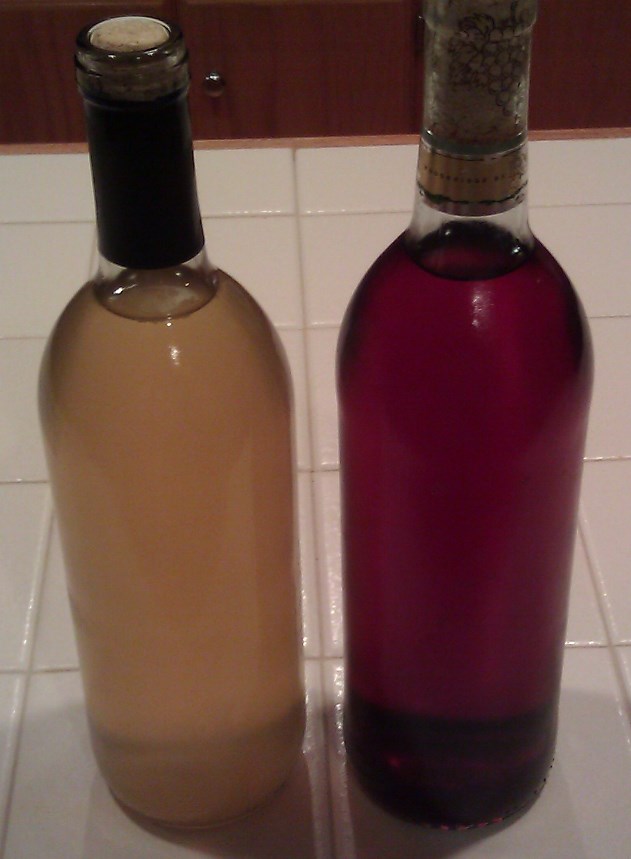
  • Oaked – Conditioned on oak, it tastes like a Chardonnay
  • Blueberry – Added blueberries to the secondary, has some port notes
  • Chamomile – Fresh flower picked from my sister-in-laws garden. Too early to tell
  • Medium Mead – Plenty of honey flavor

The first three were all conditioned in gallon bottles, which gives you four full 750 ml bottles. I had two gallon of the unflavored kind that I bottled for later drinking and competition.

With all these flavors, now I can have a Catalina Wine Mixer.

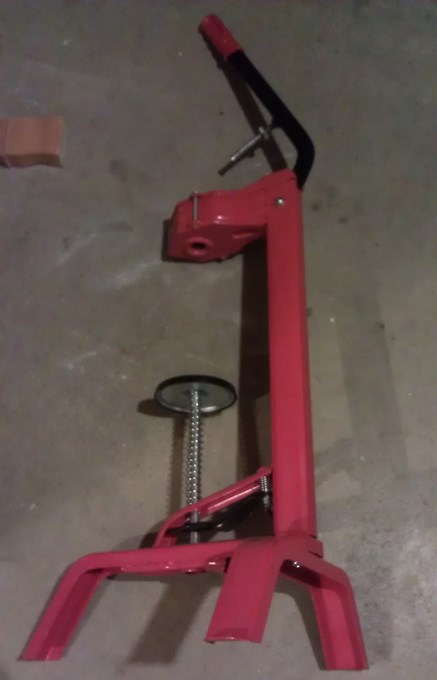
One upgrade to the mead project was using bottles that could be corked, which also meant using a floor corker. Mike bought a very nice one and it you are looking to buy, purchase a high end model. I don’t have experience with a cheap one, but the more expensive one was worth every penny.

I think I will add a few of the medium show mead bottles to see if they change over time. Maybe the corked bottles will allow them to age differently from the ones I capped a few years ago.

Floor Corker Meads

Mead making is very easy as compared to beer brewing. Yeah, it is more expensive. Yeah, you may need to buy some new equipment to cork bottles. These are valid points. Another valid point is the fact that mead making gives you an chance to expand your skill set and can be pretty rewarding with some planning and some imagination for some flavor additions after fermentation.

Honey Saison Update

I brewed a honey saison on Sunday and the fermentation has been good so far. The wort was chilled to 65 degrees Fahrenheit to start off with, which was pretty close to the temperature of my yeast starter. After aerating the wort for 30 to 45 minutes while I cleaned up the rest of the brewing stuff, I swirled the starter a few times and poured it into the top of my fermentor.

Note: sometimes the yeast runs down the carboy and due to the clarity of it, I can’t tell if it is running down the outside or the inside. There is always a short time of panic when I see this occurrence. I post this note as a reminder to take the time to ensure that the yeast will have no chance of going anywhere but the inside of the carboy. If you have to put the top of your yeast starter jug right on the edge of your carboy, do it. Now maybe I will remember next time.

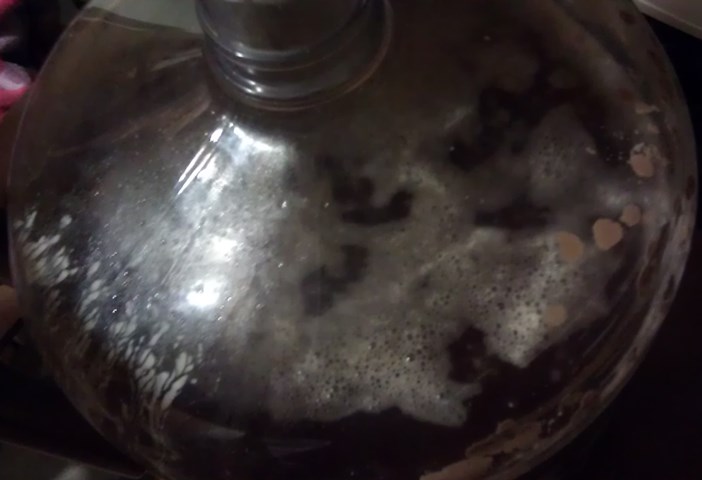
I was happy to see the signs of fermentation between 12 and 18 hours after I pitched. The past few fermentations I have overseen have been messy. I have been waking up to yeast foam messes on the floor and elsewhere, but this saison fermentation has been tame in comparison. There was really ugly looking krausen going on but it wasn’t excessive.

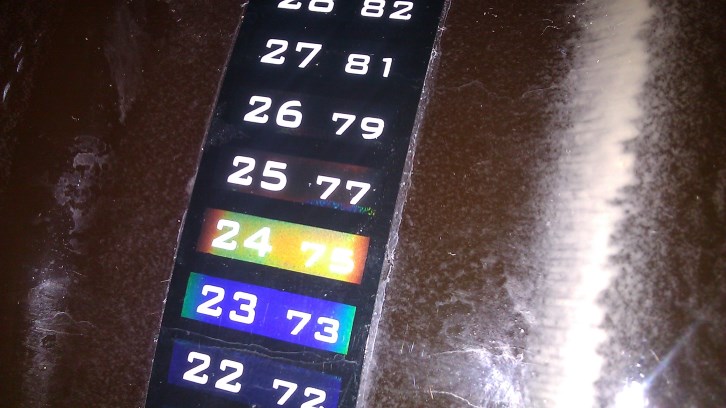
I have been slowly playing with the temperature of the fermentation, raising it from the mid-60s to high 70s (as it sits right now). The intensity of the ferment has not changed much and now it appears that the krausen has died down and pretty much disappeared from the top of the beer.

High Fermentation Temperatures Saison Krausen

I am going to keep the temperature where it is. Maybe mid-week next week, I will take a gravity reading and see how this beer is coming along. I am targeting a low final gravity so with the temperature staying higher than what I would have normally, I hope it is enough of a factor to push the yeast to their highest potential.

Blow Off Tubes

When you work really hard to make wort you want to ferment it right.  You prep yeast and give it lots of love and care before you pitch it.  You shake, aerate or oxygenate your wort and add that yeast knowing you’ve done all you can to give those microbes a nice nutrient bath.  Then those yeasties reward you with what… a big blown off mess of an airlock or worse.

We’re talking about high krausen and yeast blow off in your fermentors.  Nothing worse than thinking all is well with your latest brew then to come home and see that thing foaming over and the airlock is across the room.  Actually, what IS worse is having your wife or girlfriend call you at work and tell you your beer is messing up her nice bathroom.

How do you deal with these situations?  What causes this mess in the first place?  And how to prevent it in the future?

We discuss the use of Big Bore Blow Off Tubes!  Sticking a one inch tube into the neck of your carboy and putting the end of it in a bucket of water or sanitizer.  Making the monster truck version of airlocks.  But how do you clean that damn tube later for reuse?

John says it can be done.  I say I am not interested.  Watch the video and leave a comment.

Its all about Blow off Tubes!

BREW ON!

Page 159 of 322

Powered by WordPress & Theme by Anders Norén