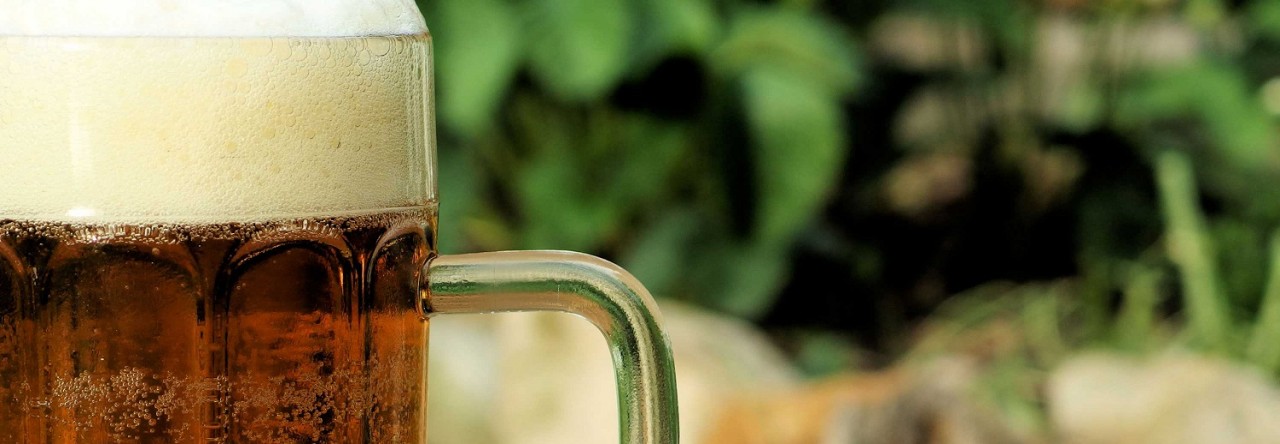
For this post, Mike shows off his second version of his English-style pub ale for us to taste. What made this tasting different was his first attempt at serving one of our homebrews using a nitro setup. Mike enjoys English bitters, especially the lower-alcohol versions traditionally served from casks in British pubs. Since keeping cask beer at home isn’t practical for him, serving beer on nitro seemed like a worthwhile alternative. After nearly 30 years of homebrewing, Mike finally decided to give nitrogen dispensing a try.
English Pub Ale Recipe #2
Mike considers this recipe closest to an English Best Bitter, although he is still experimenting with the formulation. Here’s the recipe for a 3 US gallon batch.
English-Style Pub Ale Recipe
Grain Bill:
- 83% Maris Otter malt
- 12% Crystal 60 malt
- 5% Caravienne malt
Hops:
- 1 ounce of Target hops added at 60 minutes
Yeast:
- 1 packet of Nottingham dry yeast
Mash Schedule:
- Mash at 149–150°F for approximately 75 minutes
- Mash out at 168°F
Beer Specifications:
- Original Gravity: 1.043
- Final Gravity: approximately 1.012
- Alcohol by Volume: approximately 4% ABV
Setting Up Nitro Beer at Home
For his nitro setup, Mike purchased a five-pound tank of beer gas from a local Airgas supplier. His beer gas contains 70% nitrogen and 30% carbon dioxide, which differs from the traditional 75/25 mixture. He also needed a nitrogen regulator because the connections differ from those used with standard carbon dioxide tanks. Rather than purchasing a traditional stout faucet, Mike used his existing NukaTap faucet with a special nozzle attachment. This attachment contains a stainless steel restrictor disc with small holes that help create the characteristic nitro pour.
The beer passes through these openings under higher pressure, producing the creamy head associated with nitrogen-dispensed beers. Mike was serving at approximately 40 PSI, compared with roughly 12 PSI for a conventional carbon dioxide setup. However, getting the carbonation and serving pressure balanced correctly remains something Mike is working to improve. He consulted a local professional brewer who suggested carbonating to approximately 1.5 volumes before switching to beer gas. That brewer also reported success putting uncarbonated kegs directly on beer gas, giving Mike another approach to explore.
Our Tasting Notes
The beer poured with a beautiful orange color and a thick, creamy white head that looked fantastic. It was relatively clear after spending time in the keg, although a little haze remained visible. The Maris Otter provided most of the malt character, while the specialty grains contributed some subtle complexity. Meanwhile, the Target hops brought unexpected fruitiness and a slight citrus impression despite being added only for bittering. The beer had a soft mouthfeel and restrained carbonation, although Mike wanted slightly more carbonation in future pours. I thought the combination worked well, especially considering this was his first attempt at serving homebrew on nitro. We also discussed finding East Kent Goldings, which remain difficult for Mike to source from his usual suppliers.
What We Learned
This experiment showed us that serving homebrew on nitro doesn’t necessarily require installing a traditional stout faucet. Mike’s setup produced the creamy head he wanted, although he still has some carbonation adjustments to make. Meanwhile, the low-alcohol Best Bitter recipe offered enough malt and hop character for an enjoyable pub-style beer. Mike now has another serving option to explore with future batches, particularly the lower-alcohol English ales he enjoys brewing.
Hopefully, we can also find him some East Kent Goldings for the next version of this recipe.
BREW ON!
Leave a Reply