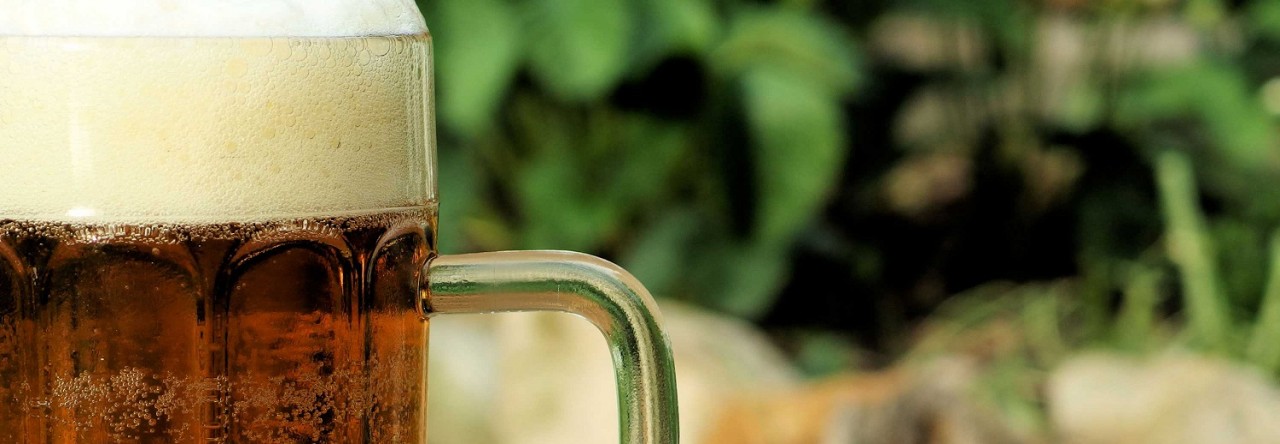
We have brewed plenty of SMaSH beers, but this experiment came from a different source than usual. Tony grows Cascade hops at his home in Kansas and offered to send us some. I used his homegrown hops in our standard one-gallon SMaSH format to see what we could learn. The resulting beer showed how growing location can influence the familiar characteristics we associate with Cascade hops.
For this batch, I followed our usual small-batch SMaSH process with two pounds of pale malt. However, instead of commercially grown hops, I used 28 grams of Tony’s homegrown Kansas Cascade hops.
Homegrown Cascade SMaSH Recipe
Batch Size: 1 gallon
Water
2 gallons
Grain
2 pounds Rahr 2-Row pale malt
Hops
7 grams homegrown Cascade hops at 60 minutes
7 grams homegrown Cascade hops with 15 minutes remaining
14 grams homegrown Cascade hops at whirlpool
Whirlpool at approximately 180°F for 10 minutes
No dry hop
Yeast
3.5 grams US-05 dry yeast
Fermentation
Fermented for approximately one week
Cold crashed and carbonated after fermentation
Tasting Notes
Once we poured the beer, the hop aroma immediately showed plenty of character despite skipping the dry hop. Mike picked up lime, guava, and dried pineapple, particularly something resembling sweetened or candied dried pineapple. I also found lime to be the strongest citrus character, rather than Cascade’s more familiar grapefruit profile. Additionally, tropical fruit appeared throughout the aroma and flavor without becoming overwhelming or dominating the beer.
The bitterness remained mellow and even, allowing those aromatic and flavor characteristics to remain the main focus. We also did not detect the earthy or tea-like flavors sometimes associated with my homegrown hopped beers. Instead, his Kansas-grown Cascade hops reminded us somewhat of newer varieties offering several subtle fruit characteristics together. Nothing became excessively strong, but the combination produced a balanced and enjoyable hop profile throughout the beer.
Homegrown Hops For The Win!
This experiment demonstrated that homegrown Cascade hops can taste noticeably different from commercially grown Pacific Northwest Cascade. Tony’s Kansas hops delivered lime and tropical fruit rather than the grapefruit character we normally expect.The mellow bitterness also allowed the guava and candied pineapple qualities to remain noticeable throughout each sip. Most importantly, the beer showed how growing conditions can produce interesting variations within a familiar hop variety. Thanks again to Tony for sending his hops and giving us something different to brew and taste.
BREW ON!
Leave a Reply