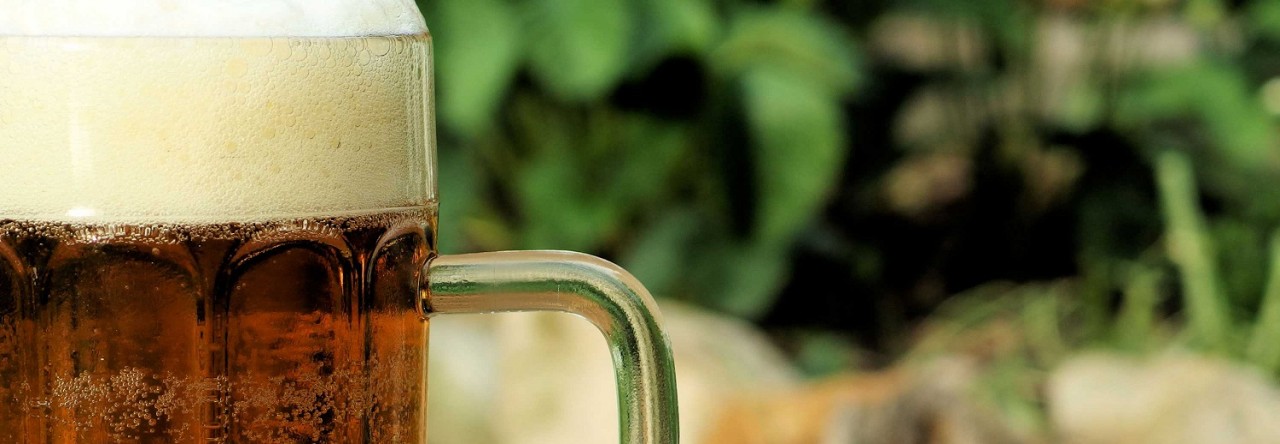
We’ve got a fresh batch of English Best Bitter on tap. We poured it and tasted it all on video.
One note: the head on this thing was absolutely ridiculous. It was creamy, pillowy, and defiantly holding tight.
Watch this video and check out how stable the foam was on this beer. If you watch the whole thing you get the recipe and tasting notes too.
The Recipe & Brewing Process
Here’s how Mike brewed this batch. It’s a straightforward English-style bitter that came out just right:
Batch Size: ~3.5 gallons
Water Profile:
Ca 93 ppm, Mg 6 ppm, Na 16 ppm Sulfate 166 ppm, Chloride 55 ppm, Bicarbonate 51 ppm
Plus a pinch (~1 gram, for 3.5 gal) of baking soda to keep mash pH stable
Grain Bill:
91% Golden Promise malt
4.5% Crystal 60
4.5% Crystal 120
Hops:
1 addition at 60 minutes to go in the boil
~37 IBUs using Challenger hops
Yeast:
1 packet of Cellar Science English
Mash Schedule:
Mash at 145 °F for 50 minutes
Slowly ramp up to 155 °F using the Brewzilla, held for 25 more minutes
No mash-out
Fermentation:
2 weeks at basement temperatures
Outcomes:
Original Gravity: 1.048
Final Gravity: 1.009
%ABV: 5.1% ABV
Our Tasting Notes & Thoughts
Looking at that first pour when the camera started rolling, the head was creamy, rocky, pillowy and stable as hell. Mike thinks the big reason for that stability was the clean water chemistry, combined with the yeast’s dry finish. Everything was crystal clear out of the fermenter but a little chill-haze crept in while it was in the keg but nothing too bad.
The flavor and aroma hit what we expect from a proper Best Bitter. It has a light amber-copper in color, a bready/toasty malt backbone, gentle sweetness, and just enough bitterness from the Challenger hops to balance things out. There’s a subtle earthiness and even an herbal note from the hops. The body is medium-light, carbonation is restrained, and the mouthfeel is mellow and drinkable.
Mike has used Golden Promise before in ales and he thinks it’s brilliant as a base malt: a little sweet, clean, and it gives a nice malt backbone without being heavy.
Paired with the dry fermentation and single bittering hop addition, this batch turned out crisp, balanced, and sessionable. It is everything a Best Bitter should be.
If Mike brewed it again, he might consider an English liquid yeast, maybe a proper ESB strain to coax out a little extra maltiness and complexity.
But that’s next time, this one is a damn fine Bitter.
BREW ON!
Leave a Reply