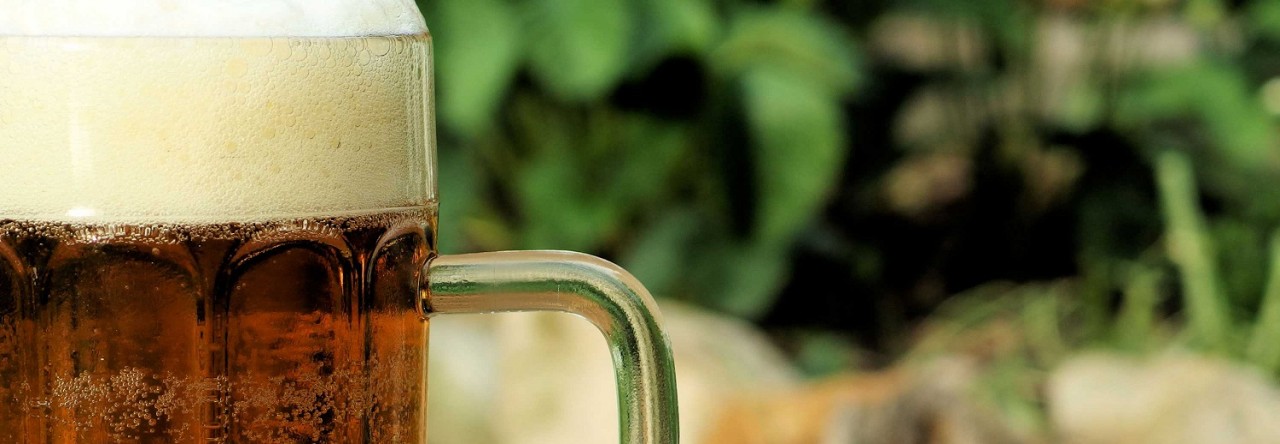
Mike set out to brew a clean, crisp American Blonde Ale. Instead, he ended up with something that looked suspiciously like a hazy pale ale.
Mike called me over claiming instant carbonation magic. By the time I arrived, it was pouring with a solid head. I had no idea what the style was supposed to be. That uncertainty made the first sip even more interesting.
This beer is the start of Mike exploring lighter styles. The goal was pale, hoppy, and sessionable. What we got was flavorful, soft, and noticeably hazy.
The Recipe & What We Did
Mike built this beer for drinkability!
Batch Size: 3.5 gallons
Mash In: 5 gallons total water
Water Profile (Post-Adjustment)
Calcium: 77 ppm
Magnesium: 9 ppm
Sodium: 60 ppm
Sulfate: 138 ppm
Chloride: 140 ppm
Bicarbonate: 51 ppm
Water was split 50/50 between soft spring water and tap water. It was treated with Campden, gypsum, lactic acid, and magnesium sulfate.
Grain Bill
88% American Pale Malt (Valley Malt)
8% Flaked Barley
4% Biscuit Malt
The flaked barley was inspired by Spotted Cow. The idea was to add softness and body. The pale malt sits between standard two-row and pale ale malt in color.
Hops
60 minutes: Nugget hops (25 IBUs)
Flameout (no chill): ~0.5 oz Centennial hops
Flameout (no chill): 1 oz Amarillo Cryo hops
All flameout hops were added, sealed up, and left overnight. No chill was used due to winter brewing conditions.
Yeast
1 packet of Mangrove Jack M66 Hop Head
Mash & Fermentation
Mash: 152°F for 75 minutes
Target mash pH: 5.2
Fermentation: 68°F for 10 days
Stats
Original Gravity: 1.048
Final Gravity: 1.014
ABV: Just under 4.5%
Analysis and Tasting Notes
Now here’s where things shifted: The M66 yeast is designed for hazy beers. That enzyme blend encourages biotransformation and haze stability, which explains the beer’s appearance.
Visually, it looked more like a hazy pale ale. The haze made it appear darker than it really was. Holding it to the light showed a much paler base.
On the nose, the Amarillo Cryo hoos brought bright orange peel aroma. The Centennial hops layered in citrus character and there was noticeable yeast expression as well.
Flavor-wise, it was soft and hop-forward. The flaked barley delivered a smooth mouthfeel. Bitterness was firm but restrained. The finish was fairly dry, though Mike wanted even more attenuation.
Head retention was solid. Carbonation was lively and appropriate. Overall, it was 85% of the way to the intended target.
Thoughts for Next Time
The biggest takeaway was yeast choice matters. It make sense that a hazy-focused yeast will produce haze. The base malt likely added a touch of color and character. Combined with suspended yeast and hop polyphenols, clarity suffered. If the goal is crystal-clear blonde ale, a clean American strain like US-05 or BRY-97 would be better.
That said, the beer tasted great. It was soft, citrus-forward, and highly drinkable. If I told you it was a hazy pale ale, you would believe it immediately. Next iteration will use California ale yeast and lighter two-row. Amarillo might get a slight boost. Same bitterness, same sessionable intent.
This is beer one of many in Mike’s blonde ale exploration. He’ll refine it and dial it in.
Brew on!
Leave a Reply