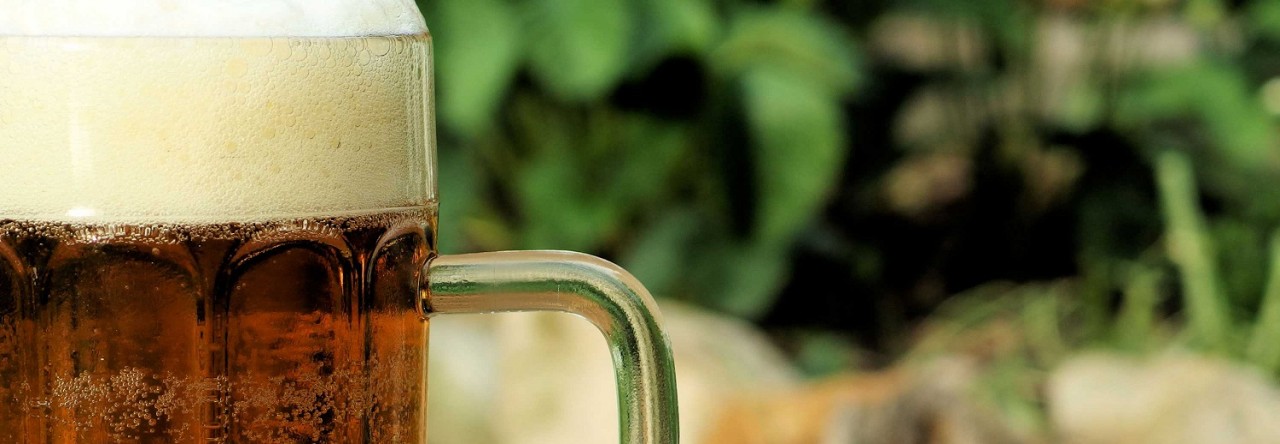
In this episode, Mike poured an American Pale Ale and walked through a dry hopping experiment using corny kegs. The beer was brewed as a seasonal pale ale with a focus on hop expression and fermentation performance. Mike wanted to test whether loose dry hops inside a keg fermenter could improve hop character without clogging the dip tube.
This Pale Ale Recipe
This beer used a layered grain bill to build malt complexity while keeping the color restrained.
Batch Size:
3.5 gallons
Water:
50/50 blend of spring water and tap water
Added gypsum and a small amount of magnesium sulfate
Sulfate favored over chloride at roughly a 1.5:1 ratio
Lactic acid added to target mash pH of 5.3
Grain Bill:
74% Raw Two Row Malt
17% Light Munich Malt
7% Low Lovibond Caramel Malt
9% CaraMunich II
Hops:
6 grams of Nugget hops added with 60 minutes left in boil
20 grams of Ekuanot hops added with 10 minutes left in boil
20 grams of Azacca hops added with 10 minutes left in boil
28 grams of Ekuanot added as a dry hop
28 grams of Azacca dry hop added as a dry hop
Yeast:
1 packet of LalBrew BRY-97 dry yeast
Outcomes:
Original Gravity: 1.046
Final Gravity: 1.014
ABV: 4.2%
Notes and Final Thoughts
Mike fermented the beer directly in a keg fermenter with trimmed dip tubes. Instead of using stainless mesh dry hop cylinders, he added two ounces of loose hops directly into the cold crashed beer. The keg was purged with CO2 and allowed to dry hop cold for three days at 37°F. The experiment worked surprisingly well and did not clog the keg transfer.
The conversation also focused heavily on fermentation issues. Mike noticed the beer under-attenuated compared to expectations from BRY-97 yeast. He suspected cooler basement temperatures and dissolved CO2 during fermentation slowed the yeast prematurely. The next round of brewing experiments will focus on improving yeast health and fermentation management.
The finished beer poured a dark gold to light amber color with nearly bright clarity. The aroma leaned toward Pacific Northwest hop character with dank citrus notes and subtle grassy or straw-like aromas. Mike also detected some bread-like malt character from the CaraMunich and Munich malt combination.
Flavor wise, the Nugget hops provided a firm bitterness while the Equinaut and Azacca additions contributed citrus flavors. Both Mike and I picked up pithy orange and clementine-like notes rather than grapefruit or lime. The beer remained highly drinkable despite the slightly higher finishing gravity.
One of the more interesting discussions centered around recipe design. Mike reflected on whether using a more flavorful pale ale malt could simplify the grain bill and eliminate the need for extra Munich additions. Pale ales continue to be one of the best styles for experimenting with hop combinations, malt balances, and fermentation techniques.
BREW ON!
Leave a Reply