Every year, Mike brews another version of Miketoberfest, and I get to find out what changed.
This year, his goal was straightforward: lighten the color, lower the alcohol, and keep the malt character. Last year’s batch was darker and stronger than he wanted, so he adjusted the grain bill accordingly.
By November, we had a three-and-a-half-gallon batch ready to pour, taste, and compare with previous versions. Most importantly, we wanted to see whether those changes produced a crisper, more drinkable festival lager.
Miketoberfest 2026 Recipe
The biggest adjustment was reducing Carafa Special II to one ounce and pulling back on the Caramunich II. Mike kept Pilsner and light Munich malts in the grist, along with melanoidin malt for additional depth.
His Sterling hop additions supplied bitterness early and a little hop flavor near the end of the boil.
Here’s the recipe information Mike shared during the video.
Miketoberfest 2026 Beer Recipe
Batch Size: 3.5 gallons
Water:
- Blend of spring water and tap water
- Small gypsum addition to increase calcium
Grain Bill:
- Pilsner maltLight Munich malt
- Caramunich II (50° Lovibond)
- 4 oz. Melanoidin malt
- 1 oz. Carafa Special II
Mike did not provide the exact weights or percentages for the first three malts.
Hops:
- Sterling hops — just under 1 oz. at 60 minutes
- Sterling hops — just over 1 oz. at 10 minutes
Yeast:
- 2 packets of SafLager W-34/70 dry lager yeast
Mash Schedule:
- 152°F for 90 minutes
Fermentation:
- Approximately 65°F at basement temperature
- Brewed in mid-September and conditioned until November
Final Beer Statistics:
- Original Gravity: 1.050
- Final Gravity: 1.014
- Alcohol: 4.7% ABV
- Apparent Attenuation: 72%
Our Tasting Notes
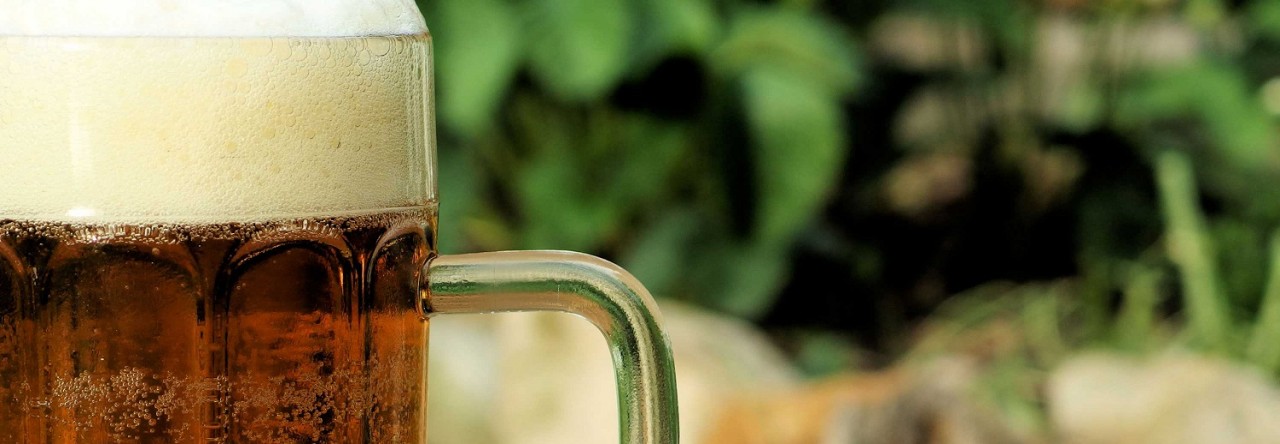
Looking at the beer in my glass, I immediately noticed the lighter copper color Mike wanted to achieve. The aroma had noticeable malt character, particularly from the Munich malt, before we moved into the flavor.
I picked up breadiness, caramel, and toffee, along with a dry finish that kept everything refreshing. The Sterling hops stayed present without getting in the way of the beer’s malt-forward character.
Mike agreed the Munich and melanoidin malts contributed much of that flavor, while Pilsner kept things crisp. The Caramunich II provided additional caramel notes, while the Carafa Special II primarily adjusted the finished beer’s color.
This beer was certainly drinkable, and I could easily imagine enjoying it from a large Oktoberfest beer stein.
Our Discussion About Dry Yeast
One interesting part of our conversation was Mike’s use of two dry lager yeast packets for this batch. He has been experimenting with higher pitching rates and believes they have improved his recent fermentation results.
We also discussed whether Star San sanitizer foam could affect dry yeast viability when pitching directly into fermenters. Mike has experimented with rehydrating yeast so it can pass through the remaining foam more easily.
However, he acknowledged that foam reducing yeast viability remains an untested theory rather than a confirmed brewing problem. His practical takeaway is that pitching sufficient healthy yeast seems important for reaching his expected fermentation performance.
With 72% attenuation, Mike was satisfied with how this particular batch finished, even if another point or two would have been nice.
Conclusion: What We Learned
Overall, this year’s Miketoberfest came closer to Mike’s target, especially in color, drinkability, and balance.
We both liked the lighter presentation, dry finish, and malt flavors that remained prominent without feeling heavy. Mike would keep the grain bill and yeast choice, although he may change the process next year.
One idea is brewing earlier, fermenting colder, and giving the beer a much longer cold-conditioning period. He also mentioned trying a more traditional German hop, but those decisions can wait until Miketoberfest 2027.
For now, we have a successful batch that shows how small recipe changes can make a meaningful difference.
BREW ON!
Leave a Reply