Mike has been continuing his New England IPA experiments by testing different hop combinations and fermentation approaches. In this batch, he paired three hop varieties with Cellar Science Jungle yeast to see if the strains claims of biotransformation could push a real fruit-forward tasting beer. His goal was simple: build a hazy IPA with strong fruit character while avoiding harsh hop bite.
Here is the recipe Mike put together for his latest NEIPA.
Cellar Science Jungle Yeast NEIPA Recipe
Batch Size:
- 3.5 US Gallons
Water Profile:
- Chloride favored heavily over sulfate
Grain Bill:
- 68% Pilsner malt
- 16% flaked oats
- 16% flaked wheat
Hops:
- 6 grams Equinox at 60 minutes
- 2 ounces New York Cascade at 175°F
- 2 ounces EXP 09326 at 175°F
- 2 ounces Neo1 at 175°F
- Whirlpool additions steeped for approximately 15 to 20 minutes
- 1 ounce Equinox dry hop for three days while cold
Yeast:
- 1 packet of Cellar Science Jungle dry yeast
Mash Schedule:
- 145°F for 15 minutes
- 154°F for 15 minutes
- 168°F for 15 minutes
Outcomes:
- Original Gravity: 1.052
- Final Gravity: Approximately 1.010
- ABV: Approximately 6%
Tasting Notes
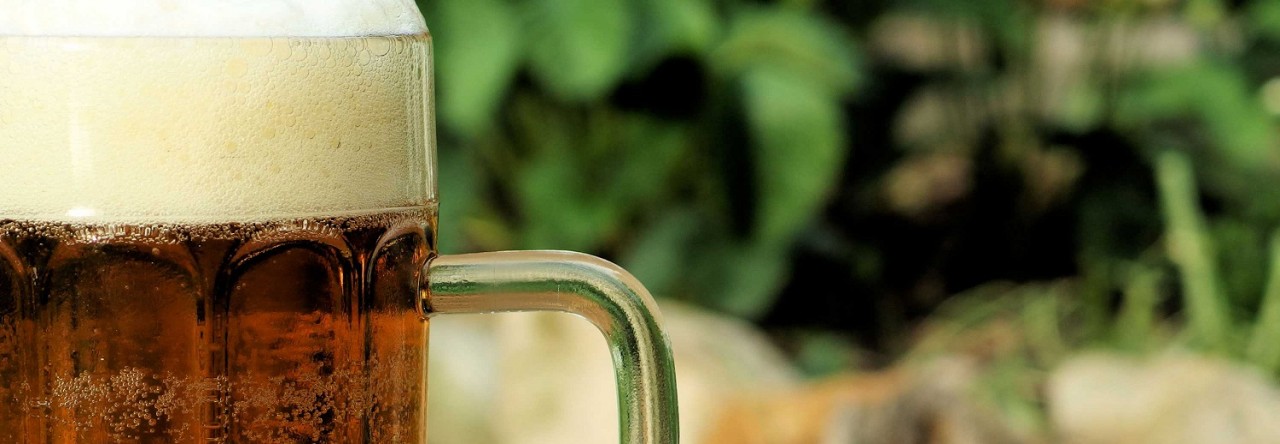
The finished beer poured pale and hazy, with a white head that stayed thick throughout our tasting. On the aroma, we found maraschino cherry, pineapple, resin, and a lighter impression of tropical fruit. The flavor carried more cherry and pineapple, followed by resinous notes and a white-peach-like stone fruit character. Importantly, the beer avoided the chalky hop bite and pellet-like flavor Mike wanted to eliminate. That result suggests the restrained kettle hopping, whirlpool additions, and Jungle yeast combination worked effectively together. Mike built the blend around commercial descriptors including stone fruit, berry, citrus, tropical fruit, and resin. However, our own tasting produced a more specific combination of maraschino cherry, pineapple, white peach, and resin.
Our Big Takeaways
This batch showed how several hop varieties can reinforce overlapping fruit characteristics instead of creating an unfocused mixture. The Jungle yeast also appeared to support the fruit-forward profile while keeping the finished beer clean and drinkable. Most importantly, the experiment gave us another useful reference for building future New England IPA hop combinations. Mike will probably keep changing the hops, but this three-hop approach gives him a practical framework for experimentation.
BREW ON!
Leave a Reply