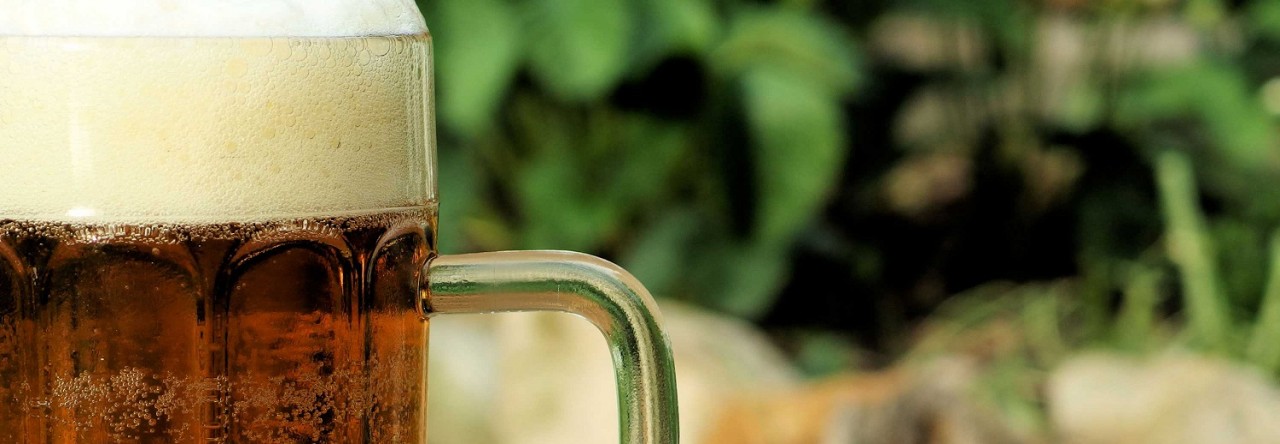
We brewed another SMaSH beer to learn more about Callista hops. Callista is a German hop variety with lower alpha acids. The packet I bought came in at 3.8% alpha acids. Since the hop was lower in bitterness, we kept the hops schedule balanced in this brew.
The goal was to taste the hop on its own. We wanted to understand its aroma, flavor, and best use. This beer gave us something different from many other SMaSH experiments. The fruit notes were present, but they were subtle. The herbal and green notes stood out more at first.
What We Did In The Video
We brewed a one-gallon SMaSH beer with two-row malt and Callista hops.
Callista SMaSH Beer Recipe
Batch Size: 1 gallon
Malt: 2 pounds of two-row malt
Hops: 28 grams Callista hops
Alpha Acids: 3.8%
Yeast: US-05
Water: Spring water
Hop Schedule:
7 grams Callista hops at 60 minutes
7 grams Callista hops at 15 minutes
7 grams Callista hops at flameout
7 grams Callista hops as a dry hop
The aroma was the most interesting part of this beer. Mike picked up briny cucumber, aloe vera, kiwi skin, and minty herbal notes. There was also a strange green quality that was hard to place.The flavor had some bitterness that reminded us of leafy greens. Mike described it as bok choy bitterness. There was also a green pepper note, but it was not harsh.
Underneath those green and herbal flavors, there was a light fruit character. The fruit was not loud, but it was there. We picked up pear, very light strawberry, and something close to prickly pear. As the beer warmed and opened up, the pear became easier to find. The aloe note also made more sense with that prickly pear character. We also thought Callista had a botanical bitterness. Mike compared it to Angostura bitters. It had a blended herbal quality, without the strong orange or spice notes.
This hop seems better suited for late additions and dry hopping. If I brewed with it again, I would use less early. I would push more hops into flameout and dry hop additions. Callista could work in Helles, Pilsner, or a modern dry-hopped lager. It may also work well behind brighter hops. It could add complexity without becoming the main flavor.
Conclusion
Callista hops gave us a strange but interesting SMaSH beer. The fruit notes were delicate, while the green notes were easier to find. Pear, prickly pear, aloe, kiwi skin, and botanical bitterness all came through.
This hop may not be the best solo hop for a bold beer. It could be useful as a background hop with more expressive varieties. We gave this one a thumbs up. It was almost there on its own. In a blend, Callista could make people ask, “What is that?”
BREW ON!
Leave a Reply