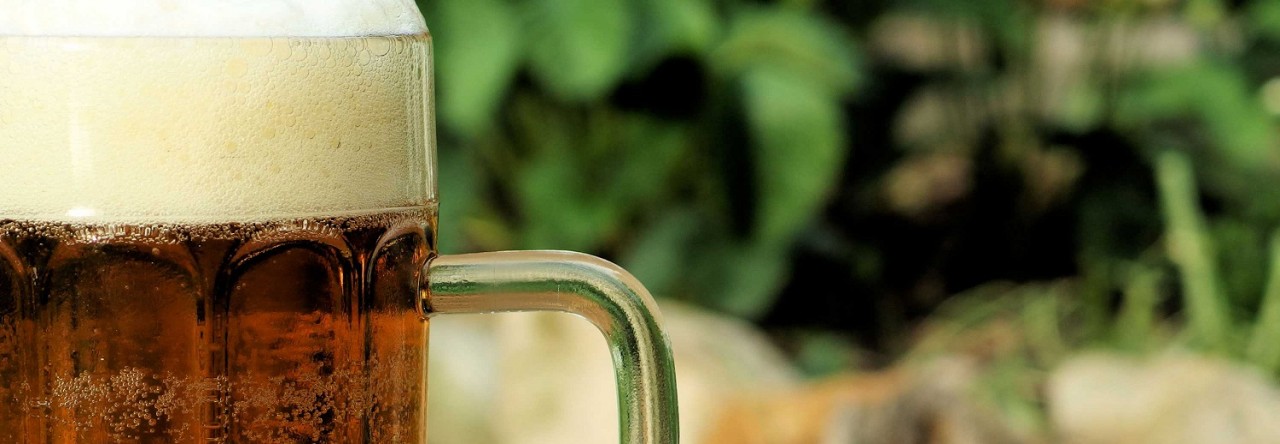
Mike recently brewed a bottle-conditioned English-style strong ale inspired by traditional British pub beer and real ale service. Instead of force carbonating the beer in a keg, he conditioned each bottle naturally with measured carbonation drops. The result was a fresh, lively beer combining rich malt character, earthy hops, expressive yeast, and firm carbonation.
British Pub Ale #1 Recipe
Batch Size: 3.5 gallons
Water:
Combination of tap water and spring water
Gypsum
Magnesium sulfate
No additional chloride
Grain Bill:
85% Rahr Pale Malt
12% Baird’s Crystal 50/60
3% Biscuit Malt
Hops:
1.5 ounces, or 42 grams, Fuggles hops at 60 minutes to go in the boil
Yeast:
1 packet each of SafAle S-04 and Mangrove Jack’s Empire Ale Yeast
Both yeast packets were rehydrated together before pitching
Outcomes:
Original Gravity: 1.061
Final Gravity: Approximately 1.015
ABV%: Slightly above 6%
Mash Schedule:
Mash at 150 degrees Fahrenheit for 60 minutes
Slowly ramp toward mash-out during the following 15 minutes
Bottle Conditioning:
Fill bottles directly from the fermenter
Add one Cooper’s carbonation drop to each bottle
Cap each bottle and allow natural refermentation
First Thoughts
For bottling, Mike filled directly from his SS Brewtech fermenter while his son capped each finished bottle. Each bottle received one Cooper’s carbonation drop, simplifying sugar measurement and supporting consistent natural carbonation. After six days, the beer opened with a clear pop and already showed surprisingly active carbonation.
The aroma presented noticeable yeast character, light esters, mineral qualities, and an earthy contribution from the Fuggles hops. Those flavors continued into the tasting, alongside blended malt sweetness, hop bitterness, and persistent carbonation across the palate. Mike noted that S-04 can emphasize mineral and herbal qualities, especially when paired with earthy English hops. However, I thought those qualities worked together and supported the traditional personality of a bottle-conditioned English ale.
What We Learned
This first British Pub Ale showed that bottle conditioning can produce lively carbonation within a surprisingly short period. The beer delivered malt depth, earthy hops, yeast expression, and the rustic character Mike wanted from real ale. Next time, he plans to reduce the strength and brew something closer to a standard English bitter. He may also replace the remaining Fuggles with East Kent Goldings, one of his preferred English hop varieties.
Overall, the experiment created a strong starting point for Mike’s evolving series of British pub ale recipes.
BREW ON!
Leave a Reply