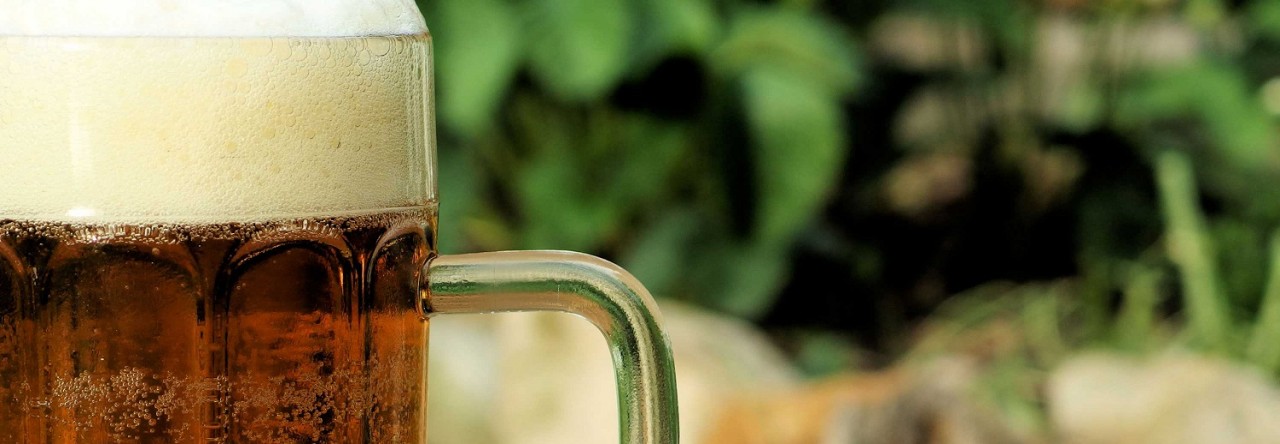
Every year, I brew a harvest beer using hops grown in my backyard, and Mike helps evaluate the results. For 2026, I decided to try something different by brewing a lager instead of my usual harvest beer. This year’s experiment focused on two ingredients: my homegrown hops and a new lager yeast strain. I wanted to see whether SafLager E-30 could bring out more fruity flavors from my Chinook hops. Previous harvest beers have produced earthy flavors and tannic notes resembling tea, which were not my intended results. This time, I was hoping for more citrus character, particularly the orange-like flavors associated with Chinook hops.
2026 Harvest Lager Recipe
Batch Size: 5 gallons
Water:
- Spring water with 4 grams gypsum added to the boil
Grain Bill:
- 10 pounds Rahr Pilsner malt
Hops:
- 1 ounce homegrown Magnum hops added at 60 minutes to go in the boil
- 1 ounce homegrown Chinook hops added at 15 minutes to go in the boil
- 2.5 ounces homegrown Chinook hops added for a 10-minute whirlpool at 180°F
Yeast:
- 1 package SafLager E-30 dry lager yeast
Mash and Boil:
- Mash at 150°F for 60 minutes
- Boil for 60 minutes
Fermentation and Conditioning:
- Fermented at 62°F for weeks
- Transfer to a keg after fermentation
- Cold condition for two weeks
- Carbonate before serving
Results:
- Original Gravity: 1.050
- Final Gravity: 1.012
- ABV: Approximately 5%
Our Tasting Notes
The aroma was fairly restrained initially, although both Mike and I detected some fruit character with patience. Mike identified honeydew melon, lime, and green grape notes, along with a subtle green onion quality. The flavor followed a similar pattern, with fruitiness appearing first and lingering across the front of the palate. Meanwhile, the finish brought some black pepper character and light grassiness that we associated with the hops. One interesting observation was how the beer differed from what we expected from a traditional lager yeast. Rather than producing a particularly crisp, dry finish, E-30 contributed a softer, lingering fruity character.
We also detected a very subtle banana or bubblegum quality, which seemed consistent with the yeast’s advertised characteristics. These flavors were not dominant, but they added another dimension to the beer’s overall profile. During fermentation, I experienced a strong sulfur aroma that reminded me of rotten eggs in my basement. Fortunately, that aroma disappeared, and we did not detect the same sulfur character during the tasting. The beer was still young when we recorded the video, having been carbonated for only four days. Although it had some haze, I expected additional cold conditioning to improve its clarity and overall presentation.
Conclusion
Overall, I consider this year’s harvest lager experiment successful, particularly because the yeast contributed something different to the beer. SafLager E-30 delivered noticeable fruity flavors without completely masking the characteristics of my homegrown Chinook hops.Mike and I agreed that this strain could work well for modern interpretations of traditional lager styles. However, it probably would not be our first choice when brewing a classic, crisp German-style lager. I also learned that keeping the grain bill simple allowed us to better understand the yeast’s contribution. The homegrown hops did not produce overwhelming citrus flavors, but they offered something more interesting than previous harvests.
As the beer continues conditioning, I am interested in seeing whether those flavors become more pronounced or refined.
BREW ON!
Leave a Reply